Bay Dogs vs Catch Dogs Explained
What Every Hog Dog Owner Should Know
Jeff Davis | https://hounddogcentral.com
 0
0 0
0 0
0 0
0 0
0
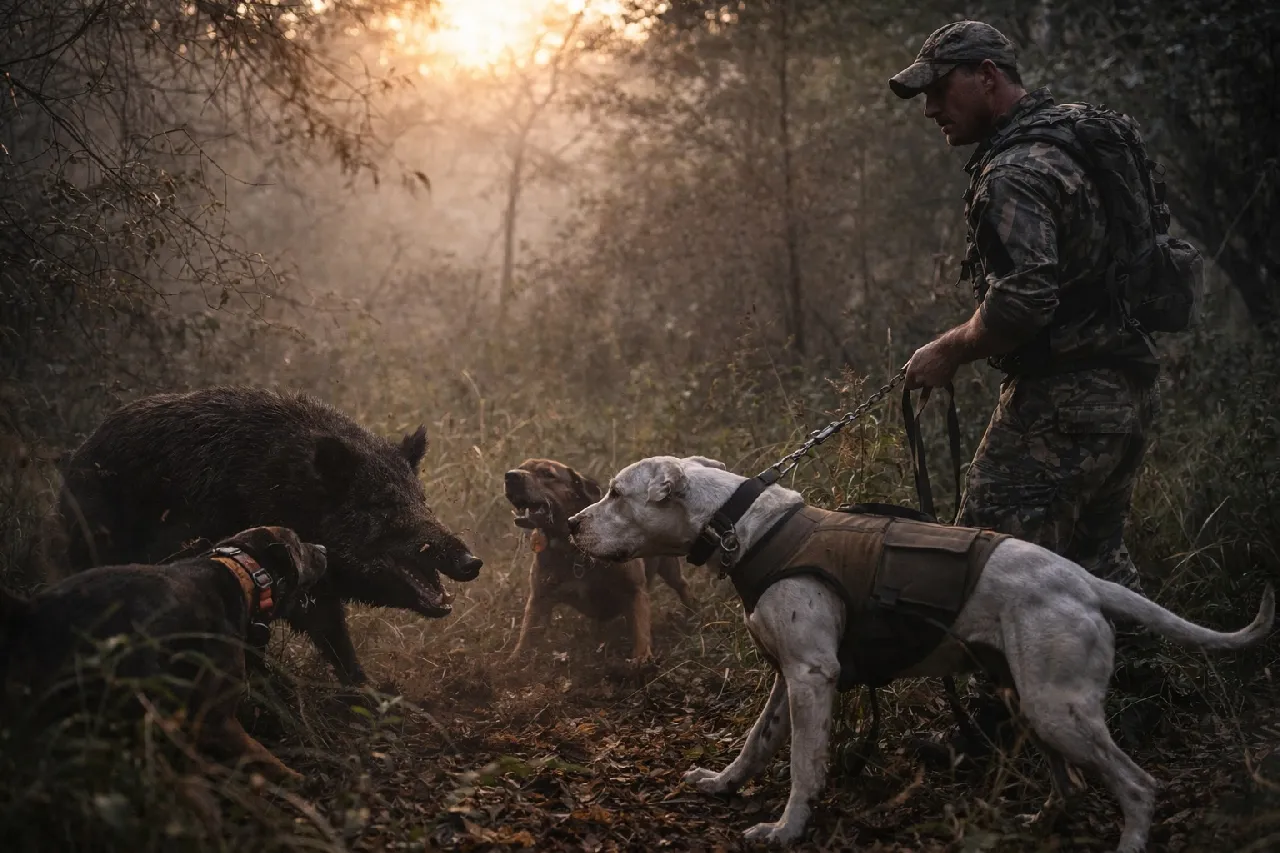
If you spend any time around hog hunters, you will hear the terms bay dog and catch dog thrown around like everybody was born knowing the difference. Truth is, a lot of newer dog owners hear those words early and still do not really understand what separates one from the other until they have seen a hunt unfold in person. Out in the brush, the difference becomes plain in a hurry. One dog locates, pressures, and holds a hog in place with voice and movement. The other steps in close, makes contact, and physically stops the hog so a hunter can get in and finish the job. Those are two very different assignments, and they demand two very different kinds of dogs.
I have watched plenty of young hunters make the mistake of thinking a gritty bay dog ought to catch, or that a catch dog can be expected to work a track and bay like a seasoned cur or hound. Sometimes a dog will blur the lines, but as a rule, these jobs are separate for a reason. Understanding that difference is not just about sounding knowledgeable around camp. It affects breeding choices, training methods, dog safety, and whether your pack works together or turns into chaos when the hog breaks.
What Is a Bay Dog?
A bay dog is the dog that finds the hog, stops it if possible, and keeps it occupied by barking, circling, and applying pressure without rushing in to grab. The goal is control, not contact. A good bay dog uses brains as much as courage. He reads the hog, stays just outside the danger zone, and keeps enough pressure on that the animal focuses on him instead of slipping away.
In the South and in much of hog dog country, bay dogs are often cur breeds, cur crosses, and certain hounds with enough nose, handle, and grit to locate hogs and hold them. Black Mouth Curs, Catahoula Leopard Dogs, Leopard Curs, and various purpose-bred crosses show up often in this role. Some hunters like more nose, some want more speed, and some want dogs that range wide and hunt independent. But at the heart of it, a bay dog must have the sense to stay alive while keeping the hog occupied.
I have always said a true bay dog is part detective and part negotiator. He has to search out sign, work scent honestly, and then when things get hot, he has to pressure a dangerous animal without getting wrecked. A hog with cutters can open a dog from brisket to flank in a blink. The best bay dogs understand distance the way a seasoned boxer understands reach. They know when to dart in, when to swing out, and when to keep the music rolling until the hunter gets there.
The Traits That Make a Good Bay Dog
More than anything, bay dogs need nose, endurance, intelligence, and controlled grit. They should bark freely on a hog and have the desire to stay engaged, but they should not be reckless. Too much loose bay and the hog drifts. Too much foolish pressure and the dog gets cut. Balance is everything. A dog that can strike, trail, locate, and hold is worth his feed every day of the season.
Handle matters too. In thick country, a bay dog that will not recall or load can wear a hunter out. A dog may be game as they come, but if he hunts three counties away and takes half the day to gather, that becomes a problem fast. Good bay dogs work with the team, not against it.
What Is a Catch Dog?
A catch dog has one main job. Once the bay dogs have a hog stopped and the hunter is in position, the catch dog is released to run in, seize the hog, and hold it. Usually the hold is to the ear, though different dogs and situations can vary. The point is direct engagement. A catch dog is built and trained for close combat, where power, commitment, and pain tolerance matter in a way they do not for most bay dogs.
Catch dogs are commonly bulldog types, including American Bulldogs, American Pit Bull Terriers, and crosses bred specifically for hog work. These dogs are typically more muscular, more compact, and more physically forceful than bay dogs. They are not expected to cast through the country and work a cold track. Their role begins when the hog is found and properly bayed.
There is a moment in a hog hunt that sticks with you if you have seen enough of them. The bay is hammering in a palmetto head or blackberry tangle, the sound changes, and you know the hog is standing. You fight your way in, collar in hand, trying to read the scene through brush and noise. Then the catch dog is sent, and the whole hunt changes from sound and movement to impact. That is not work for a half-committed dog. A catch dog has to hit with purpose and stay locked in under pressure.
The Traits That Make a Good Catch Dog
A good catch dog needs courage, jaw strength, athleticism, obedience, and a clear head. That last part gets overlooked by people who focus only on aggression. A catch dog should not be wild. He should be controllable, social enough to work around handlers and other dogs, and steady enough to wait until sent. A dog that fires too early, catches trash, or grabs at the wrong moment can blow up a hunt and get himself or another dog badly injured.
Structure matters as well. Catch dogs take punishment, and poor-built dogs tend not to last. Conditioning is critical. So is proper protective gear. Most serious hog hunters run cut vests and wide collars because one slash from a boar can end a good dog.
The Main Difference Between Bay Dogs and Catch Dogs
The simplest way to put it is this: bay dogs locate and hold with pressure, while catch dogs physically seize and restrain. One works at range. The other works in contact. Bay dogs create the opportunity. Catch dogs close the deal.
That difference shapes everything from temperament to training. A bay dog often needs more hunt drive, more range, and more nose. A catch dog needs explosive commitment, stronger restraint under command, and the physical ability to withstand a violent struggle. They are both gritty, but grit shows up differently. In a bay dog, grit means staying engaged without quitting. In a catch dog, grit means making hard contact and holding despite pain and chaos.
For new dog owners, this is where confusion causes trouble. If you expect a catch dog to quarter the woods and naturally bay hogs for an hour, you are likely asking for the wrong thing. If you encourage a bay dog to constantly grab, you may ruin a dog that should have been using voice and pressure. Matching the right expectations to the right role saves frustration and often saves dogs.
Can One Dog Do Both Jobs?
Some dogs can bay and catch, and there have always been rough individuals that seem willing to do everything. But just because a dog can do both does not mean he should. In many cases, dogs that try to do both wind up taking more punishment than necessary. A bay dog that catches too early may get hit before the hunter can arrive. A catch dog that ranges out and tries to find his own hogs may lack the nose or judgment to do it efficiently.
There are hunters who like versatile dogs, especially in certain terrain or in smaller operations. That is understandable. But in a well-organized pack, specialized roles often make for cleaner, safer work. The bay dogs bay. The catch dogs catch. Everybody knows their part, and the hunt unfolds with less confusion.
Training and Handling Matter as Much as Breed
Good breeding stacks the odds in your favor, but no dog becomes a finished hog dog by accident. Bay dogs need exposure, correction, and enough opportunity to learn how to pressure a hog without getting too loose or too reckless. Catch dogs need obedience and timing. They must learn to wait, to lead, to load, and to engage only when sent. A strong dog with no brakes is a liability, not an asset.
Handlers matter too. I have seen average dogs look good under disciplined hunters, and naturally talented dogs get ruined by poor handling. Turning a catch dog loose too far out, crowding a bay, or allowing young dogs to develop bad habits can set you back in a season. The best hog dog men I have known were not the loudest ones. They watched their dogs closely, learned each dog's style, and managed the hunt according to what those dogs could honestly do.
Choosing the Right Dog for Your Needs
If you are a dog owner interested in hounds and hog dogs, start by being honest about what kind of hunting you plan to do. If you need a dog to hunt, locate, and bay, then you are looking for bay dog qualities first. If you already hunt with solid bay dogs and need a dog for the final hold, that points toward a catch dog. The wrong dog in the wrong role can create danger in a hurry.
It also pays to think about your experience level. Bay dogs require time in the woods and careful development. Catch dogs require serious control, safe handling, and a clear understanding of risk. Neither role should be taken lightly. Hog hunting is hard on dogs, and a man owes it to them to know what he is asking.
Final Thoughts on Bay Dogs vs Catch Dogs
When somebody asks about bay dogs vs catch dogs, the clean answer is that they are partners with separate jobs. The bay dog finds and holds the hog with sound, pressure, and savvy. The catch dog goes in and takes hold when the moment is right. Both are important. Neither replaces the other very well, and the best results come when each dog is allowed to do what he was bred, trained, and conditioned to do.
Once you have heard a true bay rolling through the timber and watched a dependable catch dog hit on command, you stop thinking of them as the same kind of dog. They are different tools for the same demanding work. If you are building a hog dog team or just trying to understand the language of the sport, that is the distinction worth remembering.
I have watched plenty of young hunters make the mistake of thinking a gritty bay dog ought to catch, or that a catch dog can be expected to work a track and bay like a seasoned cur or hound. Sometimes a dog will blur the lines, but as a rule, these jobs are separate for a reason. Understanding that difference is not just about sounding knowledgeable around camp. It affects breeding choices, training methods, dog safety, and whether your pack works together or turns into chaos when the hog breaks.
What Is a Bay Dog?
A bay dog is the dog that finds the hog, stops it if possible, and keeps it occupied by barking, circling, and applying pressure without rushing in to grab. The goal is control, not contact. A good bay dog uses brains as much as courage. He reads the hog, stays just outside the danger zone, and keeps enough pressure on that the animal focuses on him instead of slipping away.
In the South and in much of hog dog country, bay dogs are often cur breeds, cur crosses, and certain hounds with enough nose, handle, and grit to locate hogs and hold them. Black Mouth Curs, Catahoula Leopard Dogs, Leopard Curs, and various purpose-bred crosses show up often in this role. Some hunters like more nose, some want more speed, and some want dogs that range wide and hunt independent. But at the heart of it, a bay dog must have the sense to stay alive while keeping the hog occupied.
I have always said a true bay dog is part detective and part negotiator. He has to search out sign, work scent honestly, and then when things get hot, he has to pressure a dangerous animal without getting wrecked. A hog with cutters can open a dog from brisket to flank in a blink. The best bay dogs understand distance the way a seasoned boxer understands reach. They know when to dart in, when to swing out, and when to keep the music rolling until the hunter gets there.
The Traits That Make a Good Bay Dog
More than anything, bay dogs need nose, endurance, intelligence, and controlled grit. They should bark freely on a hog and have the desire to stay engaged, but they should not be reckless. Too much loose bay and the hog drifts. Too much foolish pressure and the dog gets cut. Balance is everything. A dog that can strike, trail, locate, and hold is worth his feed every day of the season.
Handle matters too. In thick country, a bay dog that will not recall or load can wear a hunter out. A dog may be game as they come, but if he hunts three counties away and takes half the day to gather, that becomes a problem fast. Good bay dogs work with the team, not against it.
What Is a Catch Dog?
A catch dog has one main job. Once the bay dogs have a hog stopped and the hunter is in position, the catch dog is released to run in, seize the hog, and hold it. Usually the hold is to the ear, though different dogs and situations can vary. The point is direct engagement. A catch dog is built and trained for close combat, where power, commitment, and pain tolerance matter in a way they do not for most bay dogs.
Catch dogs are commonly bulldog types, including American Bulldogs, American Pit Bull Terriers, and crosses bred specifically for hog work. These dogs are typically more muscular, more compact, and more physically forceful than bay dogs. They are not expected to cast through the country and work a cold track. Their role begins when the hog is found and properly bayed.
There is a moment in a hog hunt that sticks with you if you have seen enough of them. The bay is hammering in a palmetto head or blackberry tangle, the sound changes, and you know the hog is standing. You fight your way in, collar in hand, trying to read the scene through brush and noise. Then the catch dog is sent, and the whole hunt changes from sound and movement to impact. That is not work for a half-committed dog. A catch dog has to hit with purpose and stay locked in under pressure.
The Traits That Make a Good Catch Dog
A good catch dog needs courage, jaw strength, athleticism, obedience, and a clear head. That last part gets overlooked by people who focus only on aggression. A catch dog should not be wild. He should be controllable, social enough to work around handlers and other dogs, and steady enough to wait until sent. A dog that fires too early, catches trash, or grabs at the wrong moment can blow up a hunt and get himself or another dog badly injured.
Structure matters as well. Catch dogs take punishment, and poor-built dogs tend not to last. Conditioning is critical. So is proper protective gear. Most serious hog hunters run cut vests and wide collars because one slash from a boar can end a good dog.
The Main Difference Between Bay Dogs and Catch Dogs
The simplest way to put it is this: bay dogs locate and hold with pressure, while catch dogs physically seize and restrain. One works at range. The other works in contact. Bay dogs create the opportunity. Catch dogs close the deal.
That difference shapes everything from temperament to training. A bay dog often needs more hunt drive, more range, and more nose. A catch dog needs explosive commitment, stronger restraint under command, and the physical ability to withstand a violent struggle. They are both gritty, but grit shows up differently. In a bay dog, grit means staying engaged without quitting. In a catch dog, grit means making hard contact and holding despite pain and chaos.
For new dog owners, this is where confusion causes trouble. If you expect a catch dog to quarter the woods and naturally bay hogs for an hour, you are likely asking for the wrong thing. If you encourage a bay dog to constantly grab, you may ruin a dog that should have been using voice and pressure. Matching the right expectations to the right role saves frustration and often saves dogs.
Can One Dog Do Both Jobs?
Some dogs can bay and catch, and there have always been rough individuals that seem willing to do everything. But just because a dog can do both does not mean he should. In many cases, dogs that try to do both wind up taking more punishment than necessary. A bay dog that catches too early may get hit before the hunter can arrive. A catch dog that ranges out and tries to find his own hogs may lack the nose or judgment to do it efficiently.
There are hunters who like versatile dogs, especially in certain terrain or in smaller operations. That is understandable. But in a well-organized pack, specialized roles often make for cleaner, safer work. The bay dogs bay. The catch dogs catch. Everybody knows their part, and the hunt unfolds with less confusion.
Training and Handling Matter as Much as Breed
Good breeding stacks the odds in your favor, but no dog becomes a finished hog dog by accident. Bay dogs need exposure, correction, and enough opportunity to learn how to pressure a hog without getting too loose or too reckless. Catch dogs need obedience and timing. They must learn to wait, to lead, to load, and to engage only when sent. A strong dog with no brakes is a liability, not an asset.
Handlers matter too. I have seen average dogs look good under disciplined hunters, and naturally talented dogs get ruined by poor handling. Turning a catch dog loose too far out, crowding a bay, or allowing young dogs to develop bad habits can set you back in a season. The best hog dog men I have known were not the loudest ones. They watched their dogs closely, learned each dog's style, and managed the hunt according to what those dogs could honestly do.
Choosing the Right Dog for Your Needs
If you are a dog owner interested in hounds and hog dogs, start by being honest about what kind of hunting you plan to do. If you need a dog to hunt, locate, and bay, then you are looking for bay dog qualities first. If you already hunt with solid bay dogs and need a dog for the final hold, that points toward a catch dog. The wrong dog in the wrong role can create danger in a hurry.
It also pays to think about your experience level. Bay dogs require time in the woods and careful development. Catch dogs require serious control, safe handling, and a clear understanding of risk. Neither role should be taken lightly. Hog hunting is hard on dogs, and a man owes it to them to know what he is asking.
Final Thoughts on Bay Dogs vs Catch Dogs
When somebody asks about bay dogs vs catch dogs, the clean answer is that they are partners with separate jobs. The bay dog finds and holds the hog with sound, pressure, and savvy. The catch dog goes in and takes hold when the moment is right. Both are important. Neither replaces the other very well, and the best results come when each dog is allowed to do what he was bred, trained, and conditioned to do.
Once you have heard a true bay rolling through the timber and watched a dependable catch dog hit on command, you stop thinking of them as the same kind of dog. They are different tools for the same demanding work. If you are building a hog dog team or just trying to understand the language of the sport, that is the distinction worth remembering.




View all 0 comments