Beagle Hunting Styles Explained
How These Hounds Work Scent, Cover, and Game
Jeff Davis | https://hounddogcentral.com
 0
0 0
0 0
0 0
0 0
0
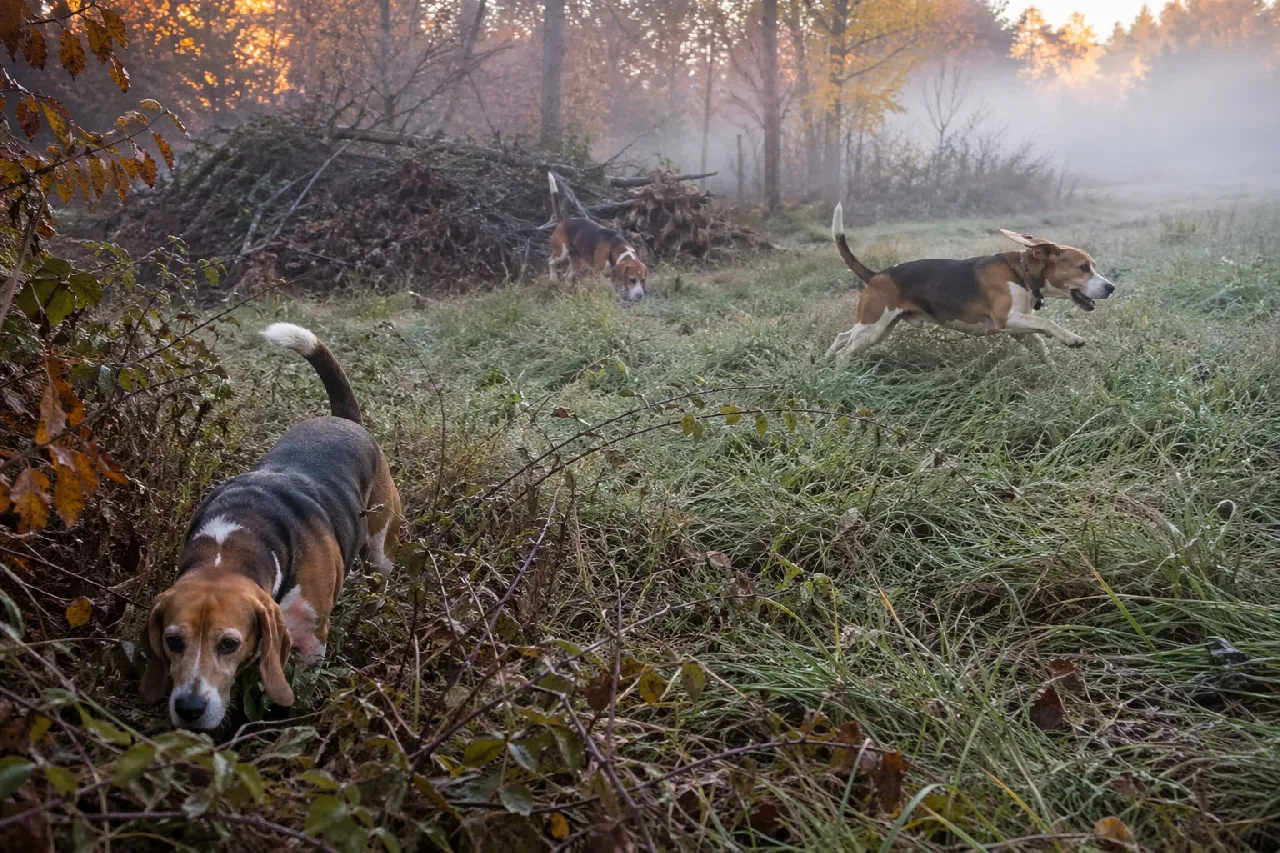
If you spend enough mornings behind beagles, you learn pretty quickly that no two hounds hunt exactly alike. They may look similar in the kennel and carry the same kind of music through frosty timber, but once their noses hit rabbit scent, their personalities show. One dog picks through briars like an old trapper reading sign. Another punches forward with confidence, trying to move the line hard before the rabbit can gain too much ground. A third hangs close, honest and steady, never flashy but always useful when the race gets rough. That is the heart of understanding beagle hunting styles. It is not just about speed or mouth. It is about how a beagle uses nose, brains, desire, and pressure on game.
For dog owners interested in hound dogs, this matters whether you hunt every weekend or simply admire what beagles were bred to do. Hunting style affects training, pack chemistry, success in different cover, and even what kind of day you will have in the field. A swamp rabbit dog may frustrate a fellow who hunts tight cottontails in brushy fence rows, while a conservative, close-running hound may seem too cautious for big country where a rabbit can stretch a race out. There is no single perfect style. There is only the style that fits the game, the terrain, and the hunter behind the gun.
What People Mean by Beagle Hunting Style
When hunters talk about style, they are usually describing how a beagle searches, opens on track, advances scent, handles checks, and pressures a rabbit during the chase. In plain terms, style is the dog's way of doing the job. Some beagles are methodical hunters that work cover carefully and waste little motion. Some are aggressive jump dogs that seem to force rabbits from thick places by sheer determination. Some are line-running hounds that excel once the rabbit is up and moving, driving the track with authority. Others shine when the line breaks down, patiently sorting out a loss while hotter dogs overrun and unravel the race.
A good hunter learns to watch the whole performance. The dog that explodes off the tailgate and grabs your attention may not be the one accounting for the rabbit at the end of the loop. Likewise, the quieter, less dramatic hound may be doing the hard, honest work that keeps game moving in difficult scenting conditions. Style is not just what looks exciting. It is what consistently produces rabbits and clean races.
Close-Running Beagles
A close-running beagle stays tight to the line and generally does not gamble much. This type of hound is often appreciated by old-school rabbit hunters who value accuracy over flash. In cold weather, on dry leaves, or when scent is thin and scattered, a close dog can save a hunt. Instead of blowing past turns and forcing repeated breakdowns, the hound works each step with care. You hear steadier progress, fewer wild swings, and often a more dependable circle.
The tradeoff is that some close-running dogs can look slow to hunters who like a hard-driving race. In open ground or during ideal scenting conditions, they may seem too cautious. But when the cover is ugly and the rabbit doubles through a tangle of multiflora rose, the close hound often comes back into favor in a hurry. I have seen many fast packs come apart in January while one honest little beagle stitched the whole race back together with patience and nose.
Medium-Speed, Balanced Beagles
If there is a style most hunters can live with, it is the balanced, medium-speed beagle. This dog hunts with purpose, jumps its share of rabbits, moves a line well, and does not create unnecessary trouble. It has enough foot to keep pressure on game but enough sense to throttle down when the scent gets bad. In mixed country and varied weather, this style is often the easiest to build a pack around because it blends with other honest hounds.
Balanced beagles are not always the most memorable dogs in one dramatic category, but they are the kind people miss when they are gone. They are useful from the first cast to the last. They can work a hedgerow at daylight, circle a cottontail through saplings at noon, and still give a good account in damp creek bottoms before dark. For many rabbit hunters, this is the practical sweet spot.
Hard-Driving Beagles
Then there is the hard-driving beagle, the kind that makes a race sound alive. These dogs hit a line with urgency and try to move it fast enough to keep a rabbit uncomfortable. In good scenting conditions, a strong driving hound can be a real pleasure to follow. The race carries, the rabbit stays up, and the circle tightens because the game feels pressure. In larger country or with snowshoe hares and running rabbits that like to stretch out, this style can be especially effective.
Still, foot without control can turn a hunt into noise. A dog that overruns badly, reaches too far on every check, or mouths where scent is weak may excite the inexperienced ear while actually costing game. The best hard-driving beagles are not reckless. They are assertive, competitive, and forward, but they remain accountable. That distinction matters. Any hound can run hard when scent is easy. The worthwhile one knows when to gear down and recover the line.
Search, Jump, and Track Styles
Another way to understand beagle hunting styles is to break the job into stages. First comes the search. Some dogs are natural cover pounders, diving into brush piles, weed patches, briar knobs, and creek edges with obvious purpose. These are often called jump dogs because they have the initiative to get rabbits moving. A strong jump dog can make a poor day better by finding game where lazier dogs drift around your boots hoping to stumble into scent.
Once the rabbit is up, track style becomes more important. Some hounds are excellent at claiming the line early and moving it cleanly. Others may not be first to open but prove valuable at check work, stepping into the loss with composure while more excited dogs cast too wide. In a solid pack, these traits complement one another. The jump dog creates opportunity, the line runner carries momentum, and the check dog keeps the race alive when the rabbit uses every trick it has.
Check Work and Line Control
If you want to know how smart a beagle really is, watch what happens when the rabbit makes a hard turn through leaf litter or slips a muddy ditch bank where scent pools and scatters. Good check dogs do not panic. They keep their heads. They work the point of loss honestly, tighten the circle, and solve the problem with nose and discipline. Poor check dogs guess. They slash, babble, and pull the pack apart.
Line control is where seasoned hunters often separate a useful hound from a merely exciting one. A beagle that can account for the rabbit, maintain direction, and recover cleanly puts more game in front of the gun than a dog that sounds better than it performs. Many younger hunters fall in love with speed first. Most older hunters, after enough blown races, come to appreciate control.
How Terrain Changes Beagle Performance
Cover tells the truth on a beagle. Dogs that look outstanding in one place can struggle badly somewhere else. In tight cottontail cover such as briar patches, abandoned farms, cedar edges, and brushy fencerows, a close or balanced hound often shines. Rabbits in this kind of country may dodge, hole up, or circle tightly, and too much forward reach can lead to repeated losses.
In more open country, on rolling cutovers, logging roads, or big hare ground, a dog with more foot may have an advantage. The rabbit has room to run, and a pack that cannot push may let the line get stale. Wet mornings, fresh frost, powder snow, dry wind, and midday heat all influence scenting too. A beagle's style is never judged in a vacuum. It has to be viewed against the conditions of the day.
I remember one damp morning when the cover was dripping and scent hung low in the alders. A hard-driving male of mine sounded like he had found religion, rolling a rabbit so cleanly the shotgun work felt easy. Two weeks later on frozen ground with a sharp north wind, that same dog overreached and struggled, while an older female, slower and plain in easier weather, carried the race as if she had the rabbit tied to her collar. That is why honest hunters speak carefully before calling one style best.
Pack Chemistry Matters
A beagle may be excellent alone and frustrating in a pack, or just the opposite. Hunting style influences how dogs mesh together. A pack full of rough, aggressive hounds can become chaotic, especially when checks pile up. A pack full of overly cautious dogs may account for every inch of line and still fail to put enough pressure on game. The art is in balance.
Most successful hunters try to match dogs that complement one another in speed, mouth, and honesty. Too much difference creates conflict. One dog wants to pound, another wants to pick, and soon neither is helping the other. A pack that works together sounds smoother and kills more rabbits over time. That does not happen by accident. It comes from understanding each hound's style and refusing to kennel dogs that constantly undermine the race.
Choosing the Right Beagle Style for Your Needs
If you own beagles or plan to, the right question is not which style wins the argument at the tailgate. The right question is what fits your hunting. Think about your terrain, your game, how often you hunt, and what kind of race you enjoy listening to. If you hunt thick cottontail cover in tough winter conditions, accuracy and check work may matter more than all-out speed. If you run larger country with stronger rabbits, a little more drive may be a blessing.
It also helps to be honest about your own eye and ear. Some hunters want a race that roars. Others want one that stays clean. Most eventually look for the same thing: a beagle that hunts hard, uses its nose honestly, handles pressure, and accounts for game with consistency. Fancy labels come and go, but rabbits and rough ground have a way of exposing the truth.
Final Thoughts on Beagle Hunting Styles
Beagle hunting styles are best understood in boot leather, not just in conversation. Watch how a dog enters cover. Listen to when it opens and why. Notice whether it helps the pack at the point of loss or adds confusion. Pay attention to what kind of rabbit dog it is when scenting turns poor and the easy part is over. That is where style becomes substance.
A good beagle does more than make music in the briars. It brings order to confusion, pressure to game, and satisfaction to the hunter who knows what he is hearing. Whether you prefer a careful line-control hound, a balanced all-around rabbit dog, or a harder-driving pack beagle, the goal stays the same. You want a dog that hunts honestly and gives a true account of the rabbit. In the end, that kind of hound earns respect in any country.
For dog owners interested in hound dogs, this matters whether you hunt every weekend or simply admire what beagles were bred to do. Hunting style affects training, pack chemistry, success in different cover, and even what kind of day you will have in the field. A swamp rabbit dog may frustrate a fellow who hunts tight cottontails in brushy fence rows, while a conservative, close-running hound may seem too cautious for big country where a rabbit can stretch a race out. There is no single perfect style. There is only the style that fits the game, the terrain, and the hunter behind the gun.
What People Mean by Beagle Hunting Style
When hunters talk about style, they are usually describing how a beagle searches, opens on track, advances scent, handles checks, and pressures a rabbit during the chase. In plain terms, style is the dog's way of doing the job. Some beagles are methodical hunters that work cover carefully and waste little motion. Some are aggressive jump dogs that seem to force rabbits from thick places by sheer determination. Some are line-running hounds that excel once the rabbit is up and moving, driving the track with authority. Others shine when the line breaks down, patiently sorting out a loss while hotter dogs overrun and unravel the race.
A good hunter learns to watch the whole performance. The dog that explodes off the tailgate and grabs your attention may not be the one accounting for the rabbit at the end of the loop. Likewise, the quieter, less dramatic hound may be doing the hard, honest work that keeps game moving in difficult scenting conditions. Style is not just what looks exciting. It is what consistently produces rabbits and clean races.
Close-Running Beagles
A close-running beagle stays tight to the line and generally does not gamble much. This type of hound is often appreciated by old-school rabbit hunters who value accuracy over flash. In cold weather, on dry leaves, or when scent is thin and scattered, a close dog can save a hunt. Instead of blowing past turns and forcing repeated breakdowns, the hound works each step with care. You hear steadier progress, fewer wild swings, and often a more dependable circle.
The tradeoff is that some close-running dogs can look slow to hunters who like a hard-driving race. In open ground or during ideal scenting conditions, they may seem too cautious. But when the cover is ugly and the rabbit doubles through a tangle of multiflora rose, the close hound often comes back into favor in a hurry. I have seen many fast packs come apart in January while one honest little beagle stitched the whole race back together with patience and nose.
Medium-Speed, Balanced Beagles
If there is a style most hunters can live with, it is the balanced, medium-speed beagle. This dog hunts with purpose, jumps its share of rabbits, moves a line well, and does not create unnecessary trouble. It has enough foot to keep pressure on game but enough sense to throttle down when the scent gets bad. In mixed country and varied weather, this style is often the easiest to build a pack around because it blends with other honest hounds.
Balanced beagles are not always the most memorable dogs in one dramatic category, but they are the kind people miss when they are gone. They are useful from the first cast to the last. They can work a hedgerow at daylight, circle a cottontail through saplings at noon, and still give a good account in damp creek bottoms before dark. For many rabbit hunters, this is the practical sweet spot.
Hard-Driving Beagles
Then there is the hard-driving beagle, the kind that makes a race sound alive. These dogs hit a line with urgency and try to move it fast enough to keep a rabbit uncomfortable. In good scenting conditions, a strong driving hound can be a real pleasure to follow. The race carries, the rabbit stays up, and the circle tightens because the game feels pressure. In larger country or with snowshoe hares and running rabbits that like to stretch out, this style can be especially effective.
Still, foot without control can turn a hunt into noise. A dog that overruns badly, reaches too far on every check, or mouths where scent is weak may excite the inexperienced ear while actually costing game. The best hard-driving beagles are not reckless. They are assertive, competitive, and forward, but they remain accountable. That distinction matters. Any hound can run hard when scent is easy. The worthwhile one knows when to gear down and recover the line.
Search, Jump, and Track Styles
Another way to understand beagle hunting styles is to break the job into stages. First comes the search. Some dogs are natural cover pounders, diving into brush piles, weed patches, briar knobs, and creek edges with obvious purpose. These are often called jump dogs because they have the initiative to get rabbits moving. A strong jump dog can make a poor day better by finding game where lazier dogs drift around your boots hoping to stumble into scent.
Once the rabbit is up, track style becomes more important. Some hounds are excellent at claiming the line early and moving it cleanly. Others may not be first to open but prove valuable at check work, stepping into the loss with composure while more excited dogs cast too wide. In a solid pack, these traits complement one another. The jump dog creates opportunity, the line runner carries momentum, and the check dog keeps the race alive when the rabbit uses every trick it has.
Check Work and Line Control
If you want to know how smart a beagle really is, watch what happens when the rabbit makes a hard turn through leaf litter or slips a muddy ditch bank where scent pools and scatters. Good check dogs do not panic. They keep their heads. They work the point of loss honestly, tighten the circle, and solve the problem with nose and discipline. Poor check dogs guess. They slash, babble, and pull the pack apart.
Line control is where seasoned hunters often separate a useful hound from a merely exciting one. A beagle that can account for the rabbit, maintain direction, and recover cleanly puts more game in front of the gun than a dog that sounds better than it performs. Many younger hunters fall in love with speed first. Most older hunters, after enough blown races, come to appreciate control.
How Terrain Changes Beagle Performance
Cover tells the truth on a beagle. Dogs that look outstanding in one place can struggle badly somewhere else. In tight cottontail cover such as briar patches, abandoned farms, cedar edges, and brushy fencerows, a close or balanced hound often shines. Rabbits in this kind of country may dodge, hole up, or circle tightly, and too much forward reach can lead to repeated losses.
In more open country, on rolling cutovers, logging roads, or big hare ground, a dog with more foot may have an advantage. The rabbit has room to run, and a pack that cannot push may let the line get stale. Wet mornings, fresh frost, powder snow, dry wind, and midday heat all influence scenting too. A beagle's style is never judged in a vacuum. It has to be viewed against the conditions of the day.
I remember one damp morning when the cover was dripping and scent hung low in the alders. A hard-driving male of mine sounded like he had found religion, rolling a rabbit so cleanly the shotgun work felt easy. Two weeks later on frozen ground with a sharp north wind, that same dog overreached and struggled, while an older female, slower and plain in easier weather, carried the race as if she had the rabbit tied to her collar. That is why honest hunters speak carefully before calling one style best.
Pack Chemistry Matters
A beagle may be excellent alone and frustrating in a pack, or just the opposite. Hunting style influences how dogs mesh together. A pack full of rough, aggressive hounds can become chaotic, especially when checks pile up. A pack full of overly cautious dogs may account for every inch of line and still fail to put enough pressure on game. The art is in balance.
Most successful hunters try to match dogs that complement one another in speed, mouth, and honesty. Too much difference creates conflict. One dog wants to pound, another wants to pick, and soon neither is helping the other. A pack that works together sounds smoother and kills more rabbits over time. That does not happen by accident. It comes from understanding each hound's style and refusing to kennel dogs that constantly undermine the race.
Choosing the Right Beagle Style for Your Needs
If you own beagles or plan to, the right question is not which style wins the argument at the tailgate. The right question is what fits your hunting. Think about your terrain, your game, how often you hunt, and what kind of race you enjoy listening to. If you hunt thick cottontail cover in tough winter conditions, accuracy and check work may matter more than all-out speed. If you run larger country with stronger rabbits, a little more drive may be a blessing.
It also helps to be honest about your own eye and ear. Some hunters want a race that roars. Others want one that stays clean. Most eventually look for the same thing: a beagle that hunts hard, uses its nose honestly, handles pressure, and accounts for game with consistency. Fancy labels come and go, but rabbits and rough ground have a way of exposing the truth.
Final Thoughts on Beagle Hunting Styles
Beagle hunting styles are best understood in boot leather, not just in conversation. Watch how a dog enters cover. Listen to when it opens and why. Notice whether it helps the pack at the point of loss or adds confusion. Pay attention to what kind of rabbit dog it is when scenting turns poor and the easy part is over. That is where style becomes substance.
A good beagle does more than make music in the briars. It brings order to confusion, pressure to game, and satisfaction to the hunter who knows what he is hearing. Whether you prefer a careful line-control hound, a balanced all-around rabbit dog, or a harder-driving pack beagle, the goal stays the same. You want a dog that hunts honestly and gives a true account of the rabbit. In the end, that kind of hound earns respect in any country.




View all 0 comments