
Treeing Walker Coonhound Breed Guide
Grit, Speed, and the Voice of the Night Woods
Jeff Davis | https://hounddogcentral.com
 0
0 0
0 0
0 0
0 0
0
If you have ever stood on a ridge after dark and listened to a hound strike, drift a track, and roll over into a hard tree bark that echoes through the hollow, there is a good chance a Treeing Walker Coonhound was behind that music. This breed has earned its reputation the honest way, through generations of hard hunting, sharp noses, speed on the ground, and the kind of determination that keeps a dog working when lesser hounds quit. For folks interested in hound dogs, the Treeing Walker is one of the most recognizable and admired breeds in the coonhound world.
There is a reason hunters speak of them with respect. These dogs are athletic, intelligent, and packed with drive. At the same time, they can be affectionate, social, and surprisingly gentle with their people when their needs are met. The key phrase there is when their needs are met. A Treeing Walker Coonhound is not a decoration for the couch. This is a working hound by heritage and by heart.
Origins and Purpose of the Treeing Walker Coonhound
The Treeing Walker Coonhound traces back to English Foxhounds and early American hunting stock, with major influence from Walker hounds developed for speed and trailing ability. Over time, breeders refined these dogs for raccoon hunting and other game that required a hound to move a track fast and locate game in a tree with confidence. The result was a dog that could cover country, push a line with urgency, and let the handler know exactly where the action ended.
In the field, the breed is known for balance. Some hounds are cold-nosed but slow. Some are flashy but loose on track. A good Treeing Walker tends to strike a middle road that hunters appreciate: enough nose to work difficult scent, enough foot to move quickly, and enough sense to finish what it starts. That combination helped the breed become one of the most popular coonhounds in America.
What the Breed Looks Like in the Real World
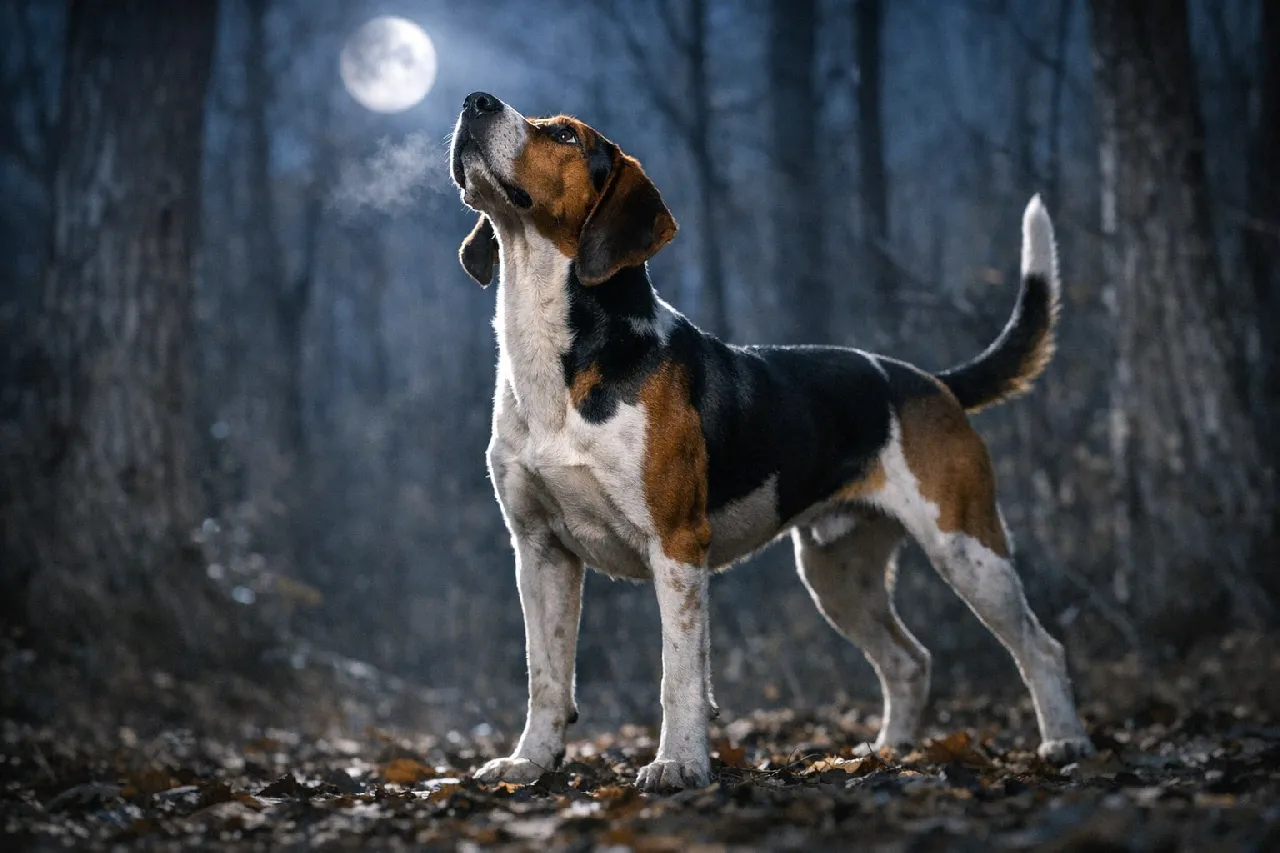
The Treeing Walker Coonhound is a clean-built, long-legged, medium-to-large hound made for covering ground. Most carry the classic tricolor pattern, though bi-color examples are seen too. They have a deep chest for lung room, strong shoulders, and the kind of balanced frame that tells you this dog was bred for endurance instead of show-ring exaggeration.
The ears are long, the expression is alert, and the voice is one of the breed’s signatures. A Walker’s bawl on track and chop on tree can turn a quiet night into a full performance. To folks who do not know hounds, that voice can seem like noise. To people who understand hunting dogs, it is information. It tells you when a dog opens, how it is working, and when it is locked down at the tree.
Temperament: Driven Outside, Friendly at Home
A well-bred Treeing Walker Coonhound is usually outgoing, eager, and tuned in to activity. These dogs often love people and do well with families that understand sporting breeds. They are not typically timid by nature. Most are confident, curious, and happy to go anywhere their nose leads them.
That said, there is a real difference between a tired Walker and one that has been underworked for a week. If given proper exercise and mental stimulation, they can settle in and enjoy home life. If left idle, they may pace, bay, dig, chew, or invent their own entertainment. I have seen more than one young hound turn a backyard into a fresh plowed field simply because nobody gave it a job.
They often get along with other dogs, especially when raised with them, but their prey drive runs deep. Small animals can trigger the same instincts that make them such effective hunting partners. Careful introductions and smart supervision matter, especially in homes with cats or other small pets.
Are Treeing Walker Coonhounds Good Family Dogs?
They can be excellent family dogs in the right household. They tend to be affectionate, playful, and loyal without being clingy every minute of the day. They usually enjoy children, though their size and enthusiasm can be a bit much for very small kids if training is lacking. This is a breed that does best with active owners who appreciate outdoor time, routine, and a dog with a serious nose and a serious opinion about where it wants to go.
Training a Treeing Walker Coonhound
Training this breed is about channeling instinct, not trying to erase it. A Treeing Walker is smart, but it is hound smart. That means the dog may understand what you want and still decide there is a more urgent matter drifting through the breeze. If a rabbit crossed the yard twenty minutes ago, your training session may suddenly have competition.
The best approach is firm, consistent, and fair. Start young with recall work, leash manners, crate training, and exposure to different places and sounds. Keep sessions short enough to hold attention, and end on success. Heavy-handed methods usually backfire with hounds. They respect clarity more than pressure.
Food rewards, praise, and repetition go a long way. So does patience. Hunters have long known that some good hounds mature on their own timeline. You can shape and guide them, but trying to rush a young Walker can leave you frustrated. Build obedience, teach boundaries, and give the dog enough real exercise that its mind is available for learning.
Can a Treeing Walker Be Trained Off-Leash?
Only with caution, and even then, no hound is ever fully trustworthy around strong scent. This breed was developed to follow its nose over hill and hollow without asking permission. In secure areas and with extensive training, some individuals do well. In unfenced spaces near roads or game-rich cover, many owners are better off using a long line, GPS collar, or dependable fencing. If you own a Walker, assume the nose can override the ears at any time.
Exercise Needs and Daily Life
This is not a low-energy breed. A quick walk around the block will not satisfy a Treeing Walker Coonhound for long. These dogs need room to move, chances to sniff, and regular outlets for both body and brain. Long walks, hikes, controlled running, scent games, and hunting-style activities all suit them well.
When a Walker gets enough work, you see the best side of the breed. The dog is calmer, more responsive, and easier to live with. When exercise falls short, frustration tends to show up in volume and mischief. They are known for baying, and while every hound owner learns to love that voice in the woods, the neighbors may feel differently at sunrise in a subdivision.
Secure fencing is important. Many Walkers are not trying to run away in the emotional sense. They are simply following information written on the ground and carried in the air. One scent trail can pull them farther than you would believe if you have never handled a serious hound.
Hunting Ability and Natural Instinct
If your interest in the breed comes from the hunting side, this is where the Treeing Walker Coonhound shines brightest. They are widely respected for speed, accuracy, and drive. A good one can strike quickly, push a coon track with authority, and settle into a tree with the kind of steady, ringing bark that makes the hair on your neck stand up.
In competition hunting, the breed has long been a force, and for good reason. They tend to hunt hard and cover ground efficiently. In pleasure hunting, they remain favorites because they can provide exciting races and consistent tree work. Of course, quality depends on breeding, training, and individual dog sense, but the raw material is there in the breed.
I have seen Walkers hit a creek bottom, sort out a track that looked cold to everyone else, and move it so cleanly that by the time you crossed the fence they were already locating. That kind of performance leaves an impression. It is not just speed. It is the way speed and instinct come together when the dog is bred right and given a chance to do what it was made to do.
Health and Lifespan
The Treeing Walker Coonhound is generally a hardy breed, and many live around 12 to 13 years with good care. Like most active dogs, they benefit from quality nutrition, consistent conditioning, and regular veterinary visits. Because they are deep-chested, owners should be aware of the risk of bloat. Ear care matters too, since those long ears can trap moisture and debris. After a hunt or long outing, a quick check of the ears, feet, and skin can save trouble later.
Hip issues, eye concerns, and general wear from an active lifestyle can occur, so it pays to work with responsible breeders who health test and who value function as much as pedigree papers. Lean body condition is important in this breed. Extra weight robs endurance and stresses joints. A Walker should look like an athlete, not a stuffed chair with ears.
Is the Treeing Walker Coonhound Right for You?
This breed is a strong match for owners who want a true hound and are ready to live with all that comes with one. If you love the outdoors, enjoy training, appreciate a vocal dog, and can provide structure and exercise, a Treeing Walker can be a tremendous companion. If you want a quiet, low-maintenance dog content with a small yard and little stimulation, this is probably not your breed.
What makes the Treeing Walker special is the same thing that can make it challenging. It has heart, independence, and enough hunting instinct to fill a whole kennel. But in the right hands, that drive becomes a joy. You get a dog that is honest about what it is, a hound that wants to work, and a companion with a big personality and an even bigger voice.
For dog owners interested in hound dogs, the Treeing Walker Coonhound stands as one of the finest examples of American hunting stock. It is beautiful in motion, practical in purpose, and unforgettable once you have heard one work a track through the dark. If you want a breed with grit, speed, and the kind of field sense that has been tested night after night in real timber, the Treeing Walker deserves a serious look.
There is a reason hunters speak of them with respect. These dogs are athletic, intelligent, and packed with drive. At the same time, they can be affectionate, social, and surprisingly gentle with their people when their needs are met. The key phrase there is when their needs are met. A Treeing Walker Coonhound is not a decoration for the couch. This is a working hound by heritage and by heart.
Origins and Purpose of the Treeing Walker Coonhound
The Treeing Walker Coonhound traces back to English Foxhounds and early American hunting stock, with major influence from Walker hounds developed for speed and trailing ability. Over time, breeders refined these dogs for raccoon hunting and other game that required a hound to move a track fast and locate game in a tree with confidence. The result was a dog that could cover country, push a line with urgency, and let the handler know exactly where the action ended.
In the field, the breed is known for balance. Some hounds are cold-nosed but slow. Some are flashy but loose on track. A good Treeing Walker tends to strike a middle road that hunters appreciate: enough nose to work difficult scent, enough foot to move quickly, and enough sense to finish what it starts. That combination helped the breed become one of the most popular coonhounds in America.
What the Breed Looks Like in the Real World
The Treeing Walker Coonhound is a clean-built, long-legged, medium-to-large hound made for covering ground. Most carry the classic tricolor pattern, though bi-color examples are seen too. They have a deep chest for lung room, strong shoulders, and the kind of balanced frame that tells you this dog was bred for endurance instead of show-ring exaggeration.
The ears are long, the expression is alert, and the voice is one of the breed’s signatures. A Walker’s bawl on track and chop on tree can turn a quiet night into a full performance. To folks who do not know hounds, that voice can seem like noise. To people who understand hunting dogs, it is information. It tells you when a dog opens, how it is working, and when it is locked down at the tree.
Temperament: Driven Outside, Friendly at Home
A well-bred Treeing Walker Coonhound is usually outgoing, eager, and tuned in to activity. These dogs often love people and do well with families that understand sporting breeds. They are not typically timid by nature. Most are confident, curious, and happy to go anywhere their nose leads them.
That said, there is a real difference between a tired Walker and one that has been underworked for a week. If given proper exercise and mental stimulation, they can settle in and enjoy home life. If left idle, they may pace, bay, dig, chew, or invent their own entertainment. I have seen more than one young hound turn a backyard into a fresh plowed field simply because nobody gave it a job.
They often get along with other dogs, especially when raised with them, but their prey drive runs deep. Small animals can trigger the same instincts that make them such effective hunting partners. Careful introductions and smart supervision matter, especially in homes with cats or other small pets.
Are Treeing Walker Coonhounds Good Family Dogs?
They can be excellent family dogs in the right household. They tend to be affectionate, playful, and loyal without being clingy every minute of the day. They usually enjoy children, though their size and enthusiasm can be a bit much for very small kids if training is lacking. This is a breed that does best with active owners who appreciate outdoor time, routine, and a dog with a serious nose and a serious opinion about where it wants to go.
Training a Treeing Walker Coonhound
Training this breed is about channeling instinct, not trying to erase it. A Treeing Walker is smart, but it is hound smart. That means the dog may understand what you want and still decide there is a more urgent matter drifting through the breeze. If a rabbit crossed the yard twenty minutes ago, your training session may suddenly have competition.
The best approach is firm, consistent, and fair. Start young with recall work, leash manners, crate training, and exposure to different places and sounds. Keep sessions short enough to hold attention, and end on success. Heavy-handed methods usually backfire with hounds. They respect clarity more than pressure.
Food rewards, praise, and repetition go a long way. So does patience. Hunters have long known that some good hounds mature on their own timeline. You can shape and guide them, but trying to rush a young Walker can leave you frustrated. Build obedience, teach boundaries, and give the dog enough real exercise that its mind is available for learning.
Can a Treeing Walker Be Trained Off-Leash?
Only with caution, and even then, no hound is ever fully trustworthy around strong scent. This breed was developed to follow its nose over hill and hollow without asking permission. In secure areas and with extensive training, some individuals do well. In unfenced spaces near roads or game-rich cover, many owners are better off using a long line, GPS collar, or dependable fencing. If you own a Walker, assume the nose can override the ears at any time.
Exercise Needs and Daily Life
This is not a low-energy breed. A quick walk around the block will not satisfy a Treeing Walker Coonhound for long. These dogs need room to move, chances to sniff, and regular outlets for both body and brain. Long walks, hikes, controlled running, scent games, and hunting-style activities all suit them well.
When a Walker gets enough work, you see the best side of the breed. The dog is calmer, more responsive, and easier to live with. When exercise falls short, frustration tends to show up in volume and mischief. They are known for baying, and while every hound owner learns to love that voice in the woods, the neighbors may feel differently at sunrise in a subdivision.
Secure fencing is important. Many Walkers are not trying to run away in the emotional sense. They are simply following information written on the ground and carried in the air. One scent trail can pull them farther than you would believe if you have never handled a serious hound.
Hunting Ability and Natural Instinct
If your interest in the breed comes from the hunting side, this is where the Treeing Walker Coonhound shines brightest. They are widely respected for speed, accuracy, and drive. A good one can strike quickly, push a coon track with authority, and settle into a tree with the kind of steady, ringing bark that makes the hair on your neck stand up.
In competition hunting, the breed has long been a force, and for good reason. They tend to hunt hard and cover ground efficiently. In pleasure hunting, they remain favorites because they can provide exciting races and consistent tree work. Of course, quality depends on breeding, training, and individual dog sense, but the raw material is there in the breed.
I have seen Walkers hit a creek bottom, sort out a track that looked cold to everyone else, and move it so cleanly that by the time you crossed the fence they were already locating. That kind of performance leaves an impression. It is not just speed. It is the way speed and instinct come together when the dog is bred right and given a chance to do what it was made to do.
Health and Lifespan
The Treeing Walker Coonhound is generally a hardy breed, and many live around 12 to 13 years with good care. Like most active dogs, they benefit from quality nutrition, consistent conditioning, and regular veterinary visits. Because they are deep-chested, owners should be aware of the risk of bloat. Ear care matters too, since those long ears can trap moisture and debris. After a hunt or long outing, a quick check of the ears, feet, and skin can save trouble later.
Hip issues, eye concerns, and general wear from an active lifestyle can occur, so it pays to work with responsible breeders who health test and who value function as much as pedigree papers. Lean body condition is important in this breed. Extra weight robs endurance and stresses joints. A Walker should look like an athlete, not a stuffed chair with ears.
Is the Treeing Walker Coonhound Right for You?
This breed is a strong match for owners who want a true hound and are ready to live with all that comes with one. If you love the outdoors, enjoy training, appreciate a vocal dog, and can provide structure and exercise, a Treeing Walker can be a tremendous companion. If you want a quiet, low-maintenance dog content with a small yard and little stimulation, this is probably not your breed.
What makes the Treeing Walker special is the same thing that can make it challenging. It has heart, independence, and enough hunting instinct to fill a whole kennel. But in the right hands, that drive becomes a joy. You get a dog that is honest about what it is, a hound that wants to work, and a companion with a big personality and an even bigger voice.
For dog owners interested in hound dogs, the Treeing Walker Coonhound stands as one of the finest examples of American hunting stock. It is beautiful in motion, practical in purpose, and unforgettable once you have heard one work a track through the dark. If you want a breed with grit, speed, and the kind of field sense that has been tested night after night in real timber, the Treeing Walker deserves a serious look.




View all 0 comments