Pack Dynamics: What Makes a True Rabbit Hound
Jeff Davis | https://hounddogcentral.com
 0
0 0
0 0
0 0
0 0
0
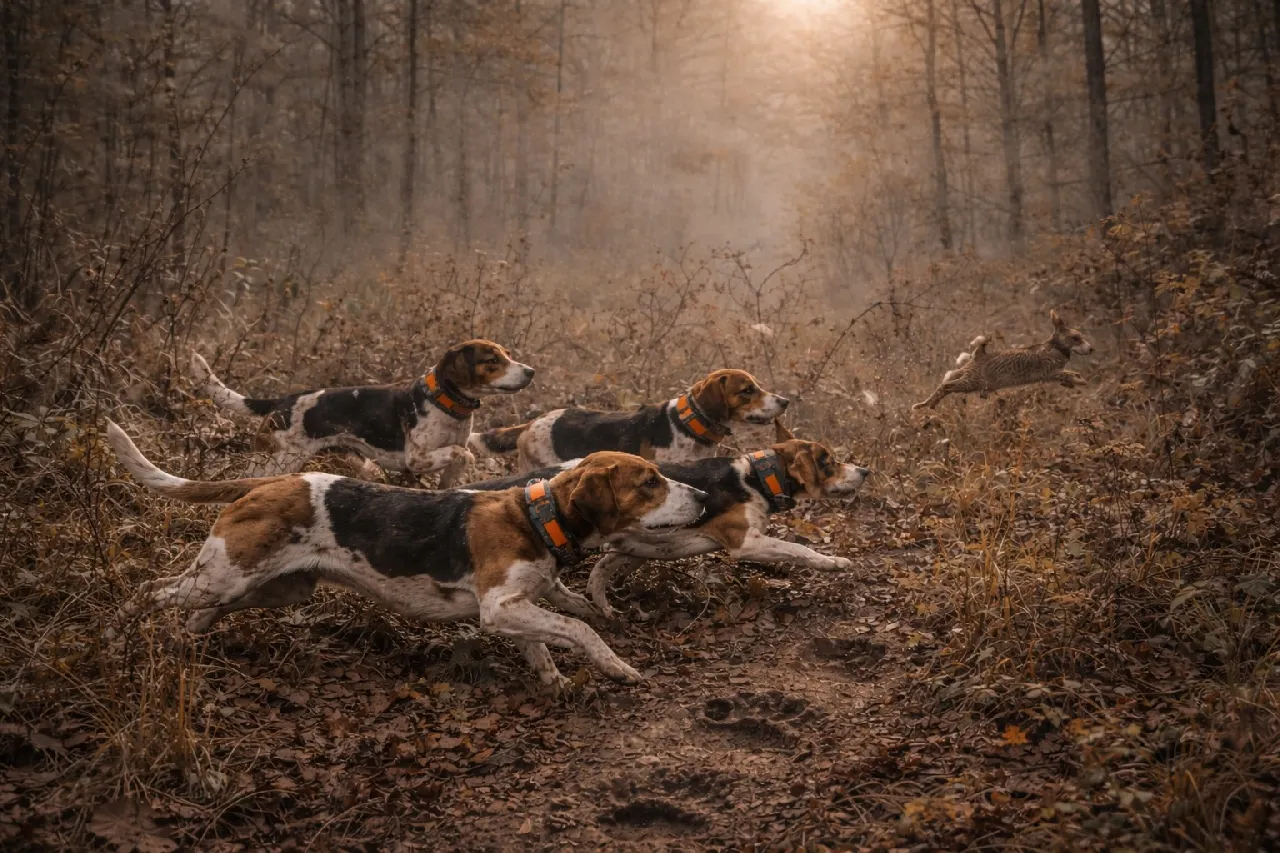
Rabbit hunting with beagles has always been a game of teamwork. While many hunters talk about individual dogs—who struck first, who carried the line, who solved the check—the truth is that rabbit hunting has never been about a single hound. It is about the pack. A good rabbit dog must run the track, but a great rabbit dog must also run with other dogs. Pack dynamics, the way hounds interact, support, and challenge one another on a rabbit line, is what separates an average hunt from one that sounds like poetry in motion.
A true rabbit hound begins with the nose. Without scenting ability, the rest of the traits simply do not matter. Rabbits live close to the ground and thrive in thick cover where scent conditions change constantly. Morning frost, dry leaves, wind, and damp soil all influence how a track carries. A good hound must have the nose to detect scent others might miss and the intelligence to understand what that scent means. But nose alone does not make a rabbit dog. The best hounds combine scenting ability with patience, knowing when to slow down and when to push a track forward.
Line control is the next defining trait of a true rabbit hound. Rabbits are masters of deception. They double back on their own tracks, weave through brush piles, slip through fence rows, and often circle back toward the very place they were first jumped. A hound with poor line control will overrun the track, swinging wide and creating confusion in the pack. A disciplined dog keeps its nose close to the line, moving steadily and accurately. In a well-balanced pack, these dogs become the backbone of the chase, maintaining the rhythm that allows the rest of the hounds to contribute.
Closely tied to line control is a trait hunters call “check work.” A check occurs when the pack loses the track, usually because the rabbit has made a sudden turn or tricky maneuver. At that moment the race stops, and the best dogs reveal themselves. Some hounds scatter wildly looking for the scent again. Others begin working methodically, casting short circles until they rediscover the line. The hounds that consistently solve checks are the thinkers of the pack. They bring the race back together and keep the chase alive when lesser dogs would let it fall apart.
Mouth is another quality experienced hunters pay close attention to. A rabbit dog must speak honestly on the track. This means barking when scent is present and remaining quiet when it is not. Dogs that bark without scent, often called “babblers,” create confusion within the pack and mislead the hunter. On the other hand, a tight-mouthed dog that rarely speaks may contribute little to the overall race. The ideal rabbit hound has a clear, consistent mouth that accurately tells the story of the chase. When a pack of honest dogs opens together, the sound carries across the woods like a well-rehearsed choir.
Speed is often misunderstood in rabbit hounds. Many newcomers believe the fastest dog must be the best dog, but seasoned hunters know this is rarely the case. Speed without control simply results in overshooting the track and constant breakdowns in the race. The best rabbit dogs run with what hunters often call “rabbit speed,” moving fast enough to pressure the rabbit while still maintaining the track. In a balanced pack, different dogs may contribute different levels of speed, but the overall pace remains steady and controlled.
Equally important is cooperation within the pack. A rabbit dog must work with the other hounds rather than against them. Some dogs are overly competitive and constantly try to dominate the race, cutting off other dogs or disrupting the line. Others naturally complement the pack, filling gaps and supporting the work already being done. The most valuable hounds are those that help the pack function as a single unit rather than a group of individuals.
Endurance is another trait that defines a true rabbit hound. Rabbit races can last for hours, particularly when the rabbit runs large circles through thick cover. Dogs must have the physical conditioning and mental determination to stay focused throughout the chase. A dog that fades after twenty minutes may show promise, but it cannot anchor a full hunt. The hounds that continue driving the line long after others tire are the ones hunters remember.
Desire, often called “heart,” may be the hardest trait to measure but one of the most important. Rabbit hunting places dogs in thorny briars, tangled brush, icy creeks, and long days in rough terrain. A true rabbit hound pushes through these obstacles without hesitation. It hunts with enthusiasm, searches tirelessly for scent, and returns to the line again and again even after the race breaks down.
When all these traits come together—nose, line control, check work, honest mouth, controlled speed, cooperation, endurance, and desire—the result is something every rabbit hunter hopes to hear. The pack settles into rhythm. The race flows smoothly through the briars and fence rows. Each dog contributes its strengths, and the chase unfolds as it should.
That is what makes a true rabbit hound. Not just the ability to run a track, but the ability to become part of the pack and keep the music of the chase alive.
A true rabbit hound begins with the nose. Without scenting ability, the rest of the traits simply do not matter. Rabbits live close to the ground and thrive in thick cover where scent conditions change constantly. Morning frost, dry leaves, wind, and damp soil all influence how a track carries. A good hound must have the nose to detect scent others might miss and the intelligence to understand what that scent means. But nose alone does not make a rabbit dog. The best hounds combine scenting ability with patience, knowing when to slow down and when to push a track forward.
Line control is the next defining trait of a true rabbit hound. Rabbits are masters of deception. They double back on their own tracks, weave through brush piles, slip through fence rows, and often circle back toward the very place they were first jumped. A hound with poor line control will overrun the track, swinging wide and creating confusion in the pack. A disciplined dog keeps its nose close to the line, moving steadily and accurately. In a well-balanced pack, these dogs become the backbone of the chase, maintaining the rhythm that allows the rest of the hounds to contribute.
Closely tied to line control is a trait hunters call “check work.” A check occurs when the pack loses the track, usually because the rabbit has made a sudden turn or tricky maneuver. At that moment the race stops, and the best dogs reveal themselves. Some hounds scatter wildly looking for the scent again. Others begin working methodically, casting short circles until they rediscover the line. The hounds that consistently solve checks are the thinkers of the pack. They bring the race back together and keep the chase alive when lesser dogs would let it fall apart.
Mouth is another quality experienced hunters pay close attention to. A rabbit dog must speak honestly on the track. This means barking when scent is present and remaining quiet when it is not. Dogs that bark without scent, often called “babblers,” create confusion within the pack and mislead the hunter. On the other hand, a tight-mouthed dog that rarely speaks may contribute little to the overall race. The ideal rabbit hound has a clear, consistent mouth that accurately tells the story of the chase. When a pack of honest dogs opens together, the sound carries across the woods like a well-rehearsed choir.
Speed is often misunderstood in rabbit hounds. Many newcomers believe the fastest dog must be the best dog, but seasoned hunters know this is rarely the case. Speed without control simply results in overshooting the track and constant breakdowns in the race. The best rabbit dogs run with what hunters often call “rabbit speed,” moving fast enough to pressure the rabbit while still maintaining the track. In a balanced pack, different dogs may contribute different levels of speed, but the overall pace remains steady and controlled.
Equally important is cooperation within the pack. A rabbit dog must work with the other hounds rather than against them. Some dogs are overly competitive and constantly try to dominate the race, cutting off other dogs or disrupting the line. Others naturally complement the pack, filling gaps and supporting the work already being done. The most valuable hounds are those that help the pack function as a single unit rather than a group of individuals.
Endurance is another trait that defines a true rabbit hound. Rabbit races can last for hours, particularly when the rabbit runs large circles through thick cover. Dogs must have the physical conditioning and mental determination to stay focused throughout the chase. A dog that fades after twenty minutes may show promise, but it cannot anchor a full hunt. The hounds that continue driving the line long after others tire are the ones hunters remember.
Desire, often called “heart,” may be the hardest trait to measure but one of the most important. Rabbit hunting places dogs in thorny briars, tangled brush, icy creeks, and long days in rough terrain. A true rabbit hound pushes through these obstacles without hesitation. It hunts with enthusiasm, searches tirelessly for scent, and returns to the line again and again even after the race breaks down.
When all these traits come together—nose, line control, check work, honest mouth, controlled speed, cooperation, endurance, and desire—the result is something every rabbit hunter hopes to hear. The pack settles into rhythm. The race flows smoothly through the briars and fence rows. Each dog contributes its strengths, and the chase unfolds as it should.
That is what makes a true rabbit hound. Not just the ability to run a track, but the ability to become part of the pack and keep the music of the chase alive.




View all 0 comments