Why Hound Hunting Is Different from Other Hunting
Jeff Davis | https://hounddogcentral.com
 0
0 0
0 0
0 0
0 0
0
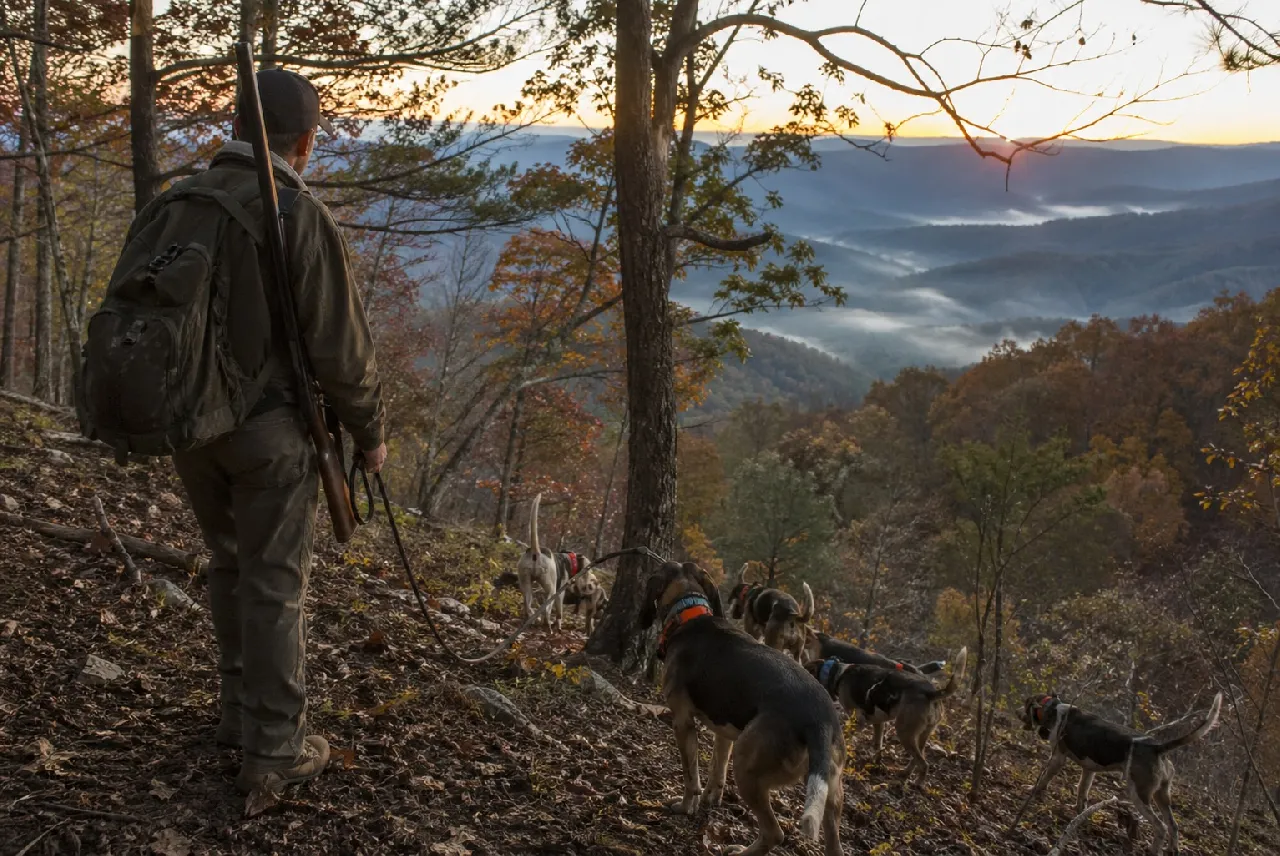
There are many ways to hunt, and every method has its own demands, rhythms, and traditions. Still, anyone who has spent serious time behind a pack of hounds knows right away that hound hunting lives in a class of its own. It is not simply hunting with a dog nearby. It is hunting through the dog, trusting a nose better than your eyes, ears tuned to a bawl rolling across a hollow, and instincts sharpened by long hours in rough country. For dog owners interested in hound dogs, this difference is the heart of the matter. A hound is not just part of the experience. In many ways, the hound is the experience.
I have hunted behind hounds in weather that would send most folks back to the truck and in country steep enough to make a man question his own judgment. What keeps people coming back is not only the game. It is the old partnership between hunter and hound, the kind built one track, one cast, and one long day at a time. That bond makes hound hunting different from still hunting, stand hunting, spot-and-stalk hunting, and nearly every other method used in the field.
Hound hunting begins with the dog, not the shot
In a lot of hunting styles, the hunter is the center of the action. Success depends on personal concealment, patience, shot placement, or the ability to glass and move quietly. In hound hunting, the center shifts. The dogs carry the hunt forward. Their noses, drive, and judgment often determine whether the day becomes memorable or forgettable.
That changes the entire mindset. Instead of sitting over a trail, glassing a ridge, or easing through cover looking for movement, a houndsman reads dog behavior. He watches how a hound works an old line, how another drifts scent on a sidehill, and how the pack opens when a cold track starts turning hot. The hunter is not passive, but he is not controlling every second either. He is managing, interpreting, and supporting a team of animals bred over generations to do work people cannot do on their own.
This is what separates hound hunting from more conventional hunting methods. The dog is not an accessory. The dog is the engine.
Scent is the true map of the hunt
Most hunters depend heavily on sight. Even when using calls, decoys, or stand placement, the final game of chess usually happens in the visual world. Hounds hunt in a different dimension. They work in scent, and scent is a language most people only barely understand.
A hound can sort through hours-old odor on dry leaves, frozen ground, dusty roads, creek bottoms, and tangled brush. Wind changes it. Moisture lifts it. Heat burns it off. Shade holds it. Terrain traps it. A good houndsman learns these things because he has to, but the dog still knows more. That creates a kind of humility you do not always see in other hunting disciplines. You can be experienced, fit, and sharp, and your hound may still teach you something before breakfast.
There is also a mystery in following a scent-driven hunt. You may never lay eyes on the animal for most of the pursuit, but the story unfolds through the dogs. A strike on a frosty morning, a check in a patch of blown-down timber, a sudden burst of speed when the quarry breaks into better running ground, these moments are every bit as vivid as spotting game through binoculars. They just come to you through the dogs' voices and movement instead of through direct sight.
The music of the chase matters
People who have never followed hounds often underestimate the role of sound. In hound hunting, voice is part of the craft. A hunter learns to tell one dog from another, to know when the track is cold, when the line is improving, when the pack is bunched up, and when something has gone wrong. The chop of a tree dog, the long bawl of a trailing hound, the excited changeover when game is jumped—these are not just noises in the woods. They are information.
That is another clear difference from other forms of hunting. In many methods, silence is the rule and any extra sound is a mistake. In hound hunting, sound is often the guide that pulls you through the country. More than once, I have stood on a ridge at first light listening to a pack work a line through the dark timber below, and I knew more about what was happening from those voices than I could ever have learned by seeing the woods with my own eyes.
It is a partnership built long before hunting season
One reason hound hunting feels different is because the real work starts long before opening day. A hound does not become useful by accident. Breeding matters. Handling matters. Time in the woods matters most of all. The hunter who runs hounds has usually invested countless hours feeding, conditioning, transporting, evaluating, correcting, and encouraging those dogs.
That level of year-round commitment creates a relationship unlike what many hunters experience with other gear or methods. A rifle can be sighted in. A bow can be tuned. A stand can be hung. But a hound has to be developed. You do not simply own one and expect results. You live with the consequences of bloodline, training decisions, kennel management, and time afield.
For dog owners, this is part of what makes hound hunting so rewarding. The success belongs to the dog as much as the hunter, and sometimes more. There is a pride in watching a young hound figure out a tough track on its own. There is also frustration, no use pretending otherwise. Hounds can test a person's patience. They can overrun, babble, backtrack, trash on off-game, or flat make a liar out of you in front of company. But even that is part of the difference. You are not just hunting game. You are shaping a canine partner.
Terrain feels different when you follow hounds
Every hunter deals with terrain, but hound hunters are often dragged into places they would never choose on purpose. A hound does not care where the line goes. If the track drops into a laurel-choked draw, climbs a rock face, cuts through beaver-swamped bottomland, or circles three ridges away, that is where the day heads. You follow because the dogs follow.
This creates a more fluid, unpredictable kind of hunting. A deer hunter may plan a stand based on wind and bedding cover. A western spot-and-stalk hunter may chart a route based on glassing points and approach angles. A houndsman can make all the plans he wants, then spend the next four hours crawling through briars because a determined dog struck game where no sensible person would willingly walk.
That unpredictability is a defining trait. The hunt becomes active in a way many other forms are not. You cover ground. You listen, hustle, wait, circle, and reposition. Some days you spend as much time trying to get to the dogs as you do thinking about the game animal itself. It is physical, often messy, and never as neat as people imagine from the outside.
The chase reveals the quarry in a different way
Hound hunting also gives hunters a deeper look at how animals use the landscape. When a bobcat slips through ledges, when a bear drops into water to throw scent, or when a fox circles old escape routes it has used before, you start to see game as a moving creature with habits and strategy rather than just a target. The dogs force that education on you. They reveal the tricks, detours, and survival instincts of the animal being pursued.
That knowledge carries over into all kinds of hunting and wildlife understanding. A man who has followed hounds long enough develops respect for game in a special way because he has seen how hard animals fight to stay free.
Hound hunting is rooted in tradition and community
Another reason hound hunting stands apart is its deep social tradition. Much of modern hunting can be solitary, and there is certainly nothing wrong with that. But hound hunting has always carried a strong community element. Hunters swap stories about bloodlines, old dogs, races that got away, and tracks that still make no sense twenty years later. They gather at tailgates before daylight, compare collars and kennels, and remember hounds long after those dogs are gone.
That shared culture matters because hound hunting is handed down as much as it is learned. A newcomer can read articles, watch dogs, and ask questions, but much of the craft comes from older hunters who know when to cast, when to tone a dog back, when to stay put, and when to climb because the race is about to turn. Hound hunting keeps one boot in the past. It honors dogs, country, and hard-earned wisdom in a way that feels older than most of today's outdoor culture.
Why hound hunting stays with you
At the end of it all, the biggest difference may be emotional. In many hunting styles, the moment of truth is the shot opportunity. In hound hunting, the experience is spread across the whole day. It lives in the strike, the trail, the chorus, the suspense, the long hike, the mistakes, and the triumphs. Sometimes the best hunts end without ever firing a shot, yet you come home satisfied because the dogs worked honestly and the country gave you a story worth telling.
That is why so many people who start with hounds never quite leave them behind. The hunt becomes more than harvest. It becomes a relationship with dogs whose abilities still have the power to amaze us. It asks for patience, grit, humility, and trust. It rewards people who love not just hunting, but the working mind and heart of a good dog.
For dog owners interested in hound dogs, this is the real answer to why hound hunting is different from other hunting. It is not simply a method. It is a partnership, a tradition, and a way of reading the wild through the nose and voice of an animal born to pursue it. Once you have stood in the cold and listened to a true hound open on track, the difference is no longer hard to explain. You feel it in your chest, and you follow it into the next ridge.
I have hunted behind hounds in weather that would send most folks back to the truck and in country steep enough to make a man question his own judgment. What keeps people coming back is not only the game. It is the old partnership between hunter and hound, the kind built one track, one cast, and one long day at a time. That bond makes hound hunting different from still hunting, stand hunting, spot-and-stalk hunting, and nearly every other method used in the field.
Hound hunting begins with the dog, not the shot
In a lot of hunting styles, the hunter is the center of the action. Success depends on personal concealment, patience, shot placement, or the ability to glass and move quietly. In hound hunting, the center shifts. The dogs carry the hunt forward. Their noses, drive, and judgment often determine whether the day becomes memorable or forgettable.
That changes the entire mindset. Instead of sitting over a trail, glassing a ridge, or easing through cover looking for movement, a houndsman reads dog behavior. He watches how a hound works an old line, how another drifts scent on a sidehill, and how the pack opens when a cold track starts turning hot. The hunter is not passive, but he is not controlling every second either. He is managing, interpreting, and supporting a team of animals bred over generations to do work people cannot do on their own.
This is what separates hound hunting from more conventional hunting methods. The dog is not an accessory. The dog is the engine.
Scent is the true map of the hunt
Most hunters depend heavily on sight. Even when using calls, decoys, or stand placement, the final game of chess usually happens in the visual world. Hounds hunt in a different dimension. They work in scent, and scent is a language most people only barely understand.
A hound can sort through hours-old odor on dry leaves, frozen ground, dusty roads, creek bottoms, and tangled brush. Wind changes it. Moisture lifts it. Heat burns it off. Shade holds it. Terrain traps it. A good houndsman learns these things because he has to, but the dog still knows more. That creates a kind of humility you do not always see in other hunting disciplines. You can be experienced, fit, and sharp, and your hound may still teach you something before breakfast.
There is also a mystery in following a scent-driven hunt. You may never lay eyes on the animal for most of the pursuit, but the story unfolds through the dogs. A strike on a frosty morning, a check in a patch of blown-down timber, a sudden burst of speed when the quarry breaks into better running ground, these moments are every bit as vivid as spotting game through binoculars. They just come to you through the dogs' voices and movement instead of through direct sight.
The music of the chase matters
People who have never followed hounds often underestimate the role of sound. In hound hunting, voice is part of the craft. A hunter learns to tell one dog from another, to know when the track is cold, when the line is improving, when the pack is bunched up, and when something has gone wrong. The chop of a tree dog, the long bawl of a trailing hound, the excited changeover when game is jumped—these are not just noises in the woods. They are information.
That is another clear difference from other forms of hunting. In many methods, silence is the rule and any extra sound is a mistake. In hound hunting, sound is often the guide that pulls you through the country. More than once, I have stood on a ridge at first light listening to a pack work a line through the dark timber below, and I knew more about what was happening from those voices than I could ever have learned by seeing the woods with my own eyes.
It is a partnership built long before hunting season
One reason hound hunting feels different is because the real work starts long before opening day. A hound does not become useful by accident. Breeding matters. Handling matters. Time in the woods matters most of all. The hunter who runs hounds has usually invested countless hours feeding, conditioning, transporting, evaluating, correcting, and encouraging those dogs.
That level of year-round commitment creates a relationship unlike what many hunters experience with other gear or methods. A rifle can be sighted in. A bow can be tuned. A stand can be hung. But a hound has to be developed. You do not simply own one and expect results. You live with the consequences of bloodline, training decisions, kennel management, and time afield.
For dog owners, this is part of what makes hound hunting so rewarding. The success belongs to the dog as much as the hunter, and sometimes more. There is a pride in watching a young hound figure out a tough track on its own. There is also frustration, no use pretending otherwise. Hounds can test a person's patience. They can overrun, babble, backtrack, trash on off-game, or flat make a liar out of you in front of company. But even that is part of the difference. You are not just hunting game. You are shaping a canine partner.
Terrain feels different when you follow hounds
Every hunter deals with terrain, but hound hunters are often dragged into places they would never choose on purpose. A hound does not care where the line goes. If the track drops into a laurel-choked draw, climbs a rock face, cuts through beaver-swamped bottomland, or circles three ridges away, that is where the day heads. You follow because the dogs follow.
This creates a more fluid, unpredictable kind of hunting. A deer hunter may plan a stand based on wind and bedding cover. A western spot-and-stalk hunter may chart a route based on glassing points and approach angles. A houndsman can make all the plans he wants, then spend the next four hours crawling through briars because a determined dog struck game where no sensible person would willingly walk.
That unpredictability is a defining trait. The hunt becomes active in a way many other forms are not. You cover ground. You listen, hustle, wait, circle, and reposition. Some days you spend as much time trying to get to the dogs as you do thinking about the game animal itself. It is physical, often messy, and never as neat as people imagine from the outside.
The chase reveals the quarry in a different way
Hound hunting also gives hunters a deeper look at how animals use the landscape. When a bobcat slips through ledges, when a bear drops into water to throw scent, or when a fox circles old escape routes it has used before, you start to see game as a moving creature with habits and strategy rather than just a target. The dogs force that education on you. They reveal the tricks, detours, and survival instincts of the animal being pursued.
That knowledge carries over into all kinds of hunting and wildlife understanding. A man who has followed hounds long enough develops respect for game in a special way because he has seen how hard animals fight to stay free.
Hound hunting is rooted in tradition and community
Another reason hound hunting stands apart is its deep social tradition. Much of modern hunting can be solitary, and there is certainly nothing wrong with that. But hound hunting has always carried a strong community element. Hunters swap stories about bloodlines, old dogs, races that got away, and tracks that still make no sense twenty years later. They gather at tailgates before daylight, compare collars and kennels, and remember hounds long after those dogs are gone.
That shared culture matters because hound hunting is handed down as much as it is learned. A newcomer can read articles, watch dogs, and ask questions, but much of the craft comes from older hunters who know when to cast, when to tone a dog back, when to stay put, and when to climb because the race is about to turn. Hound hunting keeps one boot in the past. It honors dogs, country, and hard-earned wisdom in a way that feels older than most of today's outdoor culture.
Why hound hunting stays with you
At the end of it all, the biggest difference may be emotional. In many hunting styles, the moment of truth is the shot opportunity. In hound hunting, the experience is spread across the whole day. It lives in the strike, the trail, the chorus, the suspense, the long hike, the mistakes, and the triumphs. Sometimes the best hunts end without ever firing a shot, yet you come home satisfied because the dogs worked honestly and the country gave you a story worth telling.
That is why so many people who start with hounds never quite leave them behind. The hunt becomes more than harvest. It becomes a relationship with dogs whose abilities still have the power to amaze us. It asks for patience, grit, humility, and trust. It rewards people who love not just hunting, but the working mind and heart of a good dog.
For dog owners interested in hound dogs, this is the real answer to why hound hunting is different from other hunting. It is not simply a method. It is a partnership, a tradition, and a way of reading the wild through the nose and voice of an animal born to pursue it. Once you have stood in the cold and listened to a true hound open on track, the difference is no longer hard to explain. You feel it in your chest, and you follow it into the next ridge.




View all 0 comments