Best Breeds for Mountain Lion Hunting
Jeff Davis | https://hounddogcentral.com
 0
0 0
0 0
0 0
0 0
0
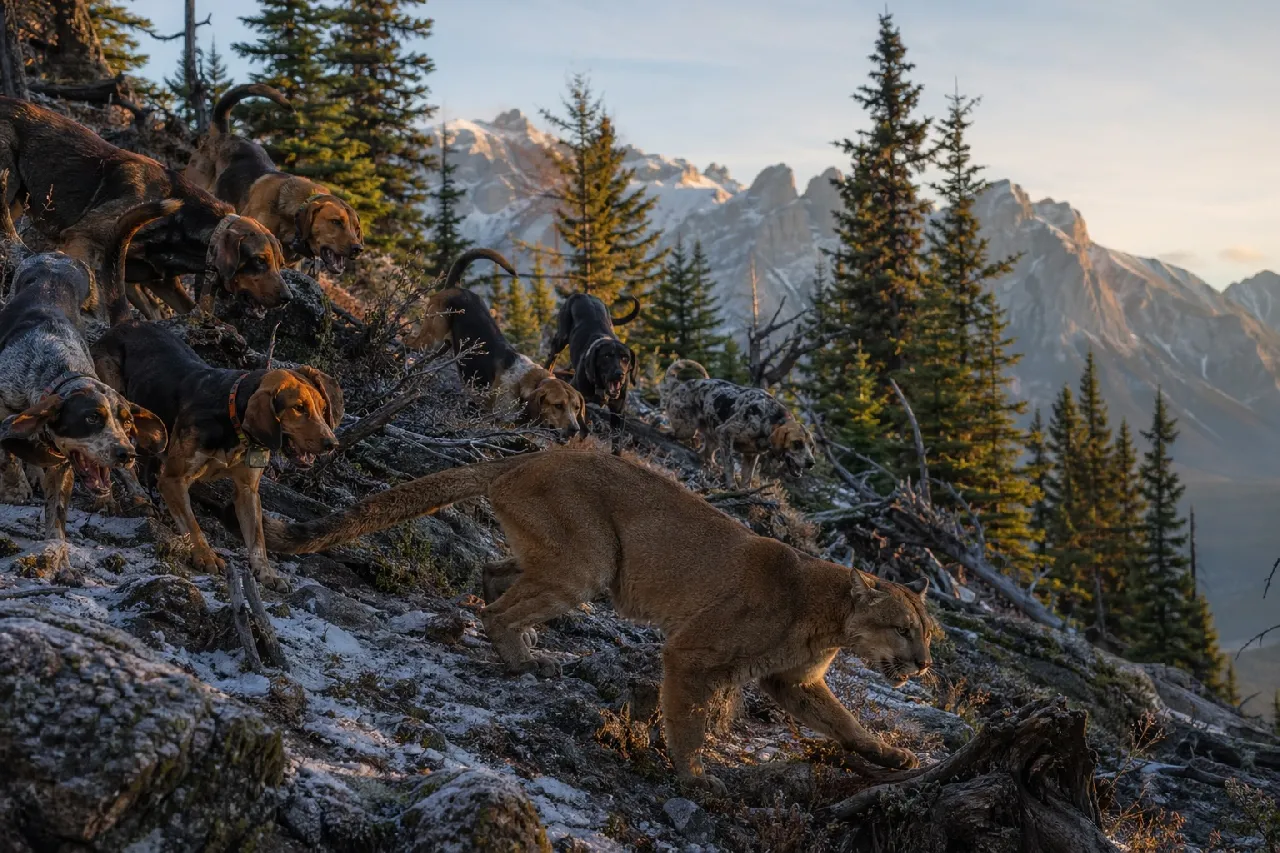
Mountain lion hunting asks more of a dog than most game pursuits ever will. A lion is no easy quarry. He may leave a faint track in dry dust, cross frozen ledges before daylight, drift through rimrock, and then sit tight in rough country where only the best hounds can sort the line out and keep pressure on him. Anyone who has spent time behind a cat pack knows this is not work for an average dog. It takes brains, nose, endurance, and a kind of honest grit that cannot be faked.
When folks ask about the best breeds for mountain lion hunting, I always tell them the same thing first: the breed matters, but the individual dog matters more. Still, certain hound breeds have earned their reputation over generations. They have been proven in snow, dust, canyon country, cedar breaks, and high timber. They were built for trailing, locating, and staying after tough game when conditions get thin and excuses start piling up.
If your goal is to find a dependable lion dog, these are the breeds most serious hunters come back to time and again.
What Makes a Good Mountain Lion Hound?
Before naming breeds, it helps to understand what lion hunting demands. A mountain lion dog needs a nose that can work an old track without babbling. He needs enough sense to move a line carefully when it is cold and enough drive to push hard when the cat is up and traveling. He also needs foot speed, stamina, and the kind of voice a hunter can hear when the race drops into a canyon two ridges over.
Just as important, a lion hound needs balance. A dog that is all fire and no brain may blow out a track or get himself wrecked at a bad tree or in a cliff pocket. A dog that is too cautious may never move the race. The best ones know when to trail, when to drift, when to pressure, and when to stay put and tree.
Treeing Walker Coonhound
If there is one breed that shows up in more lion packs than any other, it is the Treeing Walker. Walkers are popular for good reason. They have speed, desire, and a natural talent for moving game. On a fresh enough lion track, a good Walker can make the country come alive in a hurry.
Most experienced lion hunters appreciate the Walker for its range and intensity. These dogs often cover ground efficiently, and they usually have the kind of ringing mouth that carries well in rough country. Many of them tree hard, too, which matters once the race is over and you are trying to reach the dogs before the cat bails out.
The caution with Walkers is that some lines are too hot-blooded for cold trailing in difficult cat country. That does not mean the breed cannot handle lions. Plenty of outstanding lion dogs are Walkers. It simply means you want dogs from proven big-game stock, not just any hound with papers. The right Walker is a powerful lion dog, especially when paired with colder-nosed packmates.
Plott Hound
The Plott has long held a special place in big-game hunting, and mountain lion hunters respect them for their toughness. Plotts tend to bring grit, determination, and the kind of stay-put attitude that helps on rough game. In steep country and hard weather, they often keep showing up when softer dogs begin to fade.
What I have always liked about a good Plott is that he usually hunts with purpose. He is not just making noise to hear himself. He is trying to solve a problem. Many Plotts have enough nose for lion work and enough sense to stick with a bad track when conditions are ugly. Their build also suits tough terrain, where a race can turn into a long, punishing climb.
Some hunters feel Plotts can be a little tighter-mouthed than other hounds, depending on the line. That may or may not matter to you. In lion country, a dog that produces honestly is worth more than one that talks too much. A good Plott can be a serious asset in a cat pack.
Bluetick Coonhound
Blueticks have earned plenty of admirers among lion hunters who value nose and trailing ability. In places where cats leave older, colder tracks, Blueticks often shine. They tend to work methodically, and the better ones show patience where flightier dogs might overrun the line and waste time.
There is something reassuring about hearing an experienced Bluetick work a frozen track through dark timber at first light. He may not explode out of there like a racehorse every time, but he keeps putting the puzzle together piece by piece. When a lion has traveled hours before you cut him, that kind of dog can save the day.
Blueticks also bring a distinct voice that many hunters enjoy listening to. They are often steady pack dogs, and in a mixed pack they can complement hotter dogs well. If your hunting country regularly produces cold starts, Blueticks deserve a hard look.
Redbone Coonhound
Redbones do not always get mentioned first in lion circles, but that is a mistake. The right Redbone can make a fine mountain lion hound. They are often athletic, determined, and capable of handling rough country with endurance to spare.
Over the years, I have seen Redbones that were particularly good at staying straight on game, which is a trait every lion hunter values. Trash problems can ruin a hunt and a pack in a hurry. A disciplined Redbone from hunting stock can offer both drive and level-headedness, especially when trained by someone who expects honesty.
Like the other breeds on this list, line breeding matters more than color or reputation. A Redbone bred from proven lion or big-game dogs can be much more useful than a better-known breed from the wrong stock.
American Leopard Hound
The American Leopard Hound has gained respect in big-game circles because of its intelligence and versatility. These dogs are often quick learners, good at handling pressure, and capable of adapting to changing conditions. In lion hunting, that flexibility can pay off.
Leopard Hounds often show good track sense and a natural ability to locate. They can be especially appealing to hunters who like dogs that use their head as much as their feet. In a long season, with changing snow conditions and shifting lion behavior, that trait becomes more valuable every week.
They are not as common in every region as Walkers or Blueticks, but hunters who run them seriously often speak highly of their balance and honesty.
Crossbred Hounds Often Make the Best Packs
Ask enough lion hunters what breed they prefer, and eventually the conversation turns to crossbreds. That is because many of the finest lion packs in the country are not made up of one pure breed. They are carefully blended dogs, bred for performance rather than looks.
A hunter might cross a cold-nosed Bluetick with a harder-driving Walker, or add Plott toughness into a pack that needs more grit at the tree. Done right, crossbreeding can produce dogs that cover each other's weaknesses and build on proven strengths. Done wrong, it produces confusion and inconsistency. But in experienced hands, crossbred lion hounds can be exceptional.
Why Hunters Build Mixed Packs
Mountain lion hunting is rarely one-dimensional. One morning you need a patient cold trailer to move a track laid down before midnight. By noon, you need a fast dog that can pressure a cat across open country. Once the lion trees, you need dogs that will stay treed and hold him there. A mixed pack often gives a hunter the right tools for each phase of the race.
Choosing the Right Breed for Your Country
The country you hunt should influence the dogs you choose. In dry, rocky ground where tracks age fast and scenting is poor, colder-nosed dogs can be worth their weight in gold. In places with more roads, fresher cuts, and easier travel, a hotter, faster pack may suit you just fine.
Snow country presents its own set of demands. A dog that can move a lion track on crust, powder, or thawing snow is worth feeding all year. In desert or canyon country, feet, heat tolerance, and endurance matter even more. There is no universal answer, and that is why experienced hunters are careful about copying what works for somebody three states away.
Training and Breeding Matter More Than Labels
I have followed registered hounds that never should have seen a lion track, and I have followed grade dogs that were pure business from the moment their feet hit the ground. The lesson is simple. Do not buy a breed name. Buy proven breeding, sound temperament, and, if possible, the chance to see the parents or close relatives hunt.
A mountain lion dog is shaped by experience as much as genetics. Pups need exposure, discipline, and opportunity. They need to learn how to sort scent, honor other dogs, handle rough terrain, and stay focused when the race gets wild. A well-bred pup in poor hands may never amount to much. An average pup in skilled hands may surprise you. But the truly special ones usually come from both: strong blood and serious hunting.
Final Thoughts on the Best Breeds for Mountain Lion Hunting
If I had to sum it up plainly, the best breeds for mountain lion hunting are Treeing Walkers, Plotts, Blueticks, Redbones, and American Leopard Hounds, with crossbred hounds often producing some of the most practical lion packs in the field. Each breed brings something useful, whether that is speed, nose, grit, brains, or tree power.
Still, the best lion dog is not chosen on paper. He proves himself on frosty mornings, on bare ridges, in deep draws, and at the end of a hard race when the cat is finally looking down from a ponderosa limb. That kind of dog earns his place the old-fashioned way. If you are shopping for a lion hound, look for proven stock, honest mouths, sound feet, and level heads. Then hunt them hard, hunt them fair, and let the mountain tell you what you have.
When folks ask about the best breeds for mountain lion hunting, I always tell them the same thing first: the breed matters, but the individual dog matters more. Still, certain hound breeds have earned their reputation over generations. They have been proven in snow, dust, canyon country, cedar breaks, and high timber. They were built for trailing, locating, and staying after tough game when conditions get thin and excuses start piling up.
If your goal is to find a dependable lion dog, these are the breeds most serious hunters come back to time and again.
What Makes a Good Mountain Lion Hound?
Before naming breeds, it helps to understand what lion hunting demands. A mountain lion dog needs a nose that can work an old track without babbling. He needs enough sense to move a line carefully when it is cold and enough drive to push hard when the cat is up and traveling. He also needs foot speed, stamina, and the kind of voice a hunter can hear when the race drops into a canyon two ridges over.
Just as important, a lion hound needs balance. A dog that is all fire and no brain may blow out a track or get himself wrecked at a bad tree or in a cliff pocket. A dog that is too cautious may never move the race. The best ones know when to trail, when to drift, when to pressure, and when to stay put and tree.
Treeing Walker Coonhound
If there is one breed that shows up in more lion packs than any other, it is the Treeing Walker. Walkers are popular for good reason. They have speed, desire, and a natural talent for moving game. On a fresh enough lion track, a good Walker can make the country come alive in a hurry.
Most experienced lion hunters appreciate the Walker for its range and intensity. These dogs often cover ground efficiently, and they usually have the kind of ringing mouth that carries well in rough country. Many of them tree hard, too, which matters once the race is over and you are trying to reach the dogs before the cat bails out.
The caution with Walkers is that some lines are too hot-blooded for cold trailing in difficult cat country. That does not mean the breed cannot handle lions. Plenty of outstanding lion dogs are Walkers. It simply means you want dogs from proven big-game stock, not just any hound with papers. The right Walker is a powerful lion dog, especially when paired with colder-nosed packmates.
Plott Hound
The Plott has long held a special place in big-game hunting, and mountain lion hunters respect them for their toughness. Plotts tend to bring grit, determination, and the kind of stay-put attitude that helps on rough game. In steep country and hard weather, they often keep showing up when softer dogs begin to fade.
What I have always liked about a good Plott is that he usually hunts with purpose. He is not just making noise to hear himself. He is trying to solve a problem. Many Plotts have enough nose for lion work and enough sense to stick with a bad track when conditions are ugly. Their build also suits tough terrain, where a race can turn into a long, punishing climb.
Some hunters feel Plotts can be a little tighter-mouthed than other hounds, depending on the line. That may or may not matter to you. In lion country, a dog that produces honestly is worth more than one that talks too much. A good Plott can be a serious asset in a cat pack.
Bluetick Coonhound
Blueticks have earned plenty of admirers among lion hunters who value nose and trailing ability. In places where cats leave older, colder tracks, Blueticks often shine. They tend to work methodically, and the better ones show patience where flightier dogs might overrun the line and waste time.
There is something reassuring about hearing an experienced Bluetick work a frozen track through dark timber at first light. He may not explode out of there like a racehorse every time, but he keeps putting the puzzle together piece by piece. When a lion has traveled hours before you cut him, that kind of dog can save the day.
Blueticks also bring a distinct voice that many hunters enjoy listening to. They are often steady pack dogs, and in a mixed pack they can complement hotter dogs well. If your hunting country regularly produces cold starts, Blueticks deserve a hard look.
Redbone Coonhound
Redbones do not always get mentioned first in lion circles, but that is a mistake. The right Redbone can make a fine mountain lion hound. They are often athletic, determined, and capable of handling rough country with endurance to spare.
Over the years, I have seen Redbones that were particularly good at staying straight on game, which is a trait every lion hunter values. Trash problems can ruin a hunt and a pack in a hurry. A disciplined Redbone from hunting stock can offer both drive and level-headedness, especially when trained by someone who expects honesty.
Like the other breeds on this list, line breeding matters more than color or reputation. A Redbone bred from proven lion or big-game dogs can be much more useful than a better-known breed from the wrong stock.
American Leopard Hound
The American Leopard Hound has gained respect in big-game circles because of its intelligence and versatility. These dogs are often quick learners, good at handling pressure, and capable of adapting to changing conditions. In lion hunting, that flexibility can pay off.
Leopard Hounds often show good track sense and a natural ability to locate. They can be especially appealing to hunters who like dogs that use their head as much as their feet. In a long season, with changing snow conditions and shifting lion behavior, that trait becomes more valuable every week.
They are not as common in every region as Walkers or Blueticks, but hunters who run them seriously often speak highly of their balance and honesty.
Crossbred Hounds Often Make the Best Packs
Ask enough lion hunters what breed they prefer, and eventually the conversation turns to crossbreds. That is because many of the finest lion packs in the country are not made up of one pure breed. They are carefully blended dogs, bred for performance rather than looks.
A hunter might cross a cold-nosed Bluetick with a harder-driving Walker, or add Plott toughness into a pack that needs more grit at the tree. Done right, crossbreeding can produce dogs that cover each other's weaknesses and build on proven strengths. Done wrong, it produces confusion and inconsistency. But in experienced hands, crossbred lion hounds can be exceptional.
Why Hunters Build Mixed Packs
Mountain lion hunting is rarely one-dimensional. One morning you need a patient cold trailer to move a track laid down before midnight. By noon, you need a fast dog that can pressure a cat across open country. Once the lion trees, you need dogs that will stay treed and hold him there. A mixed pack often gives a hunter the right tools for each phase of the race.
Choosing the Right Breed for Your Country
The country you hunt should influence the dogs you choose. In dry, rocky ground where tracks age fast and scenting is poor, colder-nosed dogs can be worth their weight in gold. In places with more roads, fresher cuts, and easier travel, a hotter, faster pack may suit you just fine.
Snow country presents its own set of demands. A dog that can move a lion track on crust, powder, or thawing snow is worth feeding all year. In desert or canyon country, feet, heat tolerance, and endurance matter even more. There is no universal answer, and that is why experienced hunters are careful about copying what works for somebody three states away.
Training and Breeding Matter More Than Labels
I have followed registered hounds that never should have seen a lion track, and I have followed grade dogs that were pure business from the moment their feet hit the ground. The lesson is simple. Do not buy a breed name. Buy proven breeding, sound temperament, and, if possible, the chance to see the parents or close relatives hunt.
A mountain lion dog is shaped by experience as much as genetics. Pups need exposure, discipline, and opportunity. They need to learn how to sort scent, honor other dogs, handle rough terrain, and stay focused when the race gets wild. A well-bred pup in poor hands may never amount to much. An average pup in skilled hands may surprise you. But the truly special ones usually come from both: strong blood and serious hunting.
Final Thoughts on the Best Breeds for Mountain Lion Hunting
If I had to sum it up plainly, the best breeds for mountain lion hunting are Treeing Walkers, Plotts, Blueticks, Redbones, and American Leopard Hounds, with crossbred hounds often producing some of the most practical lion packs in the field. Each breed brings something useful, whether that is speed, nose, grit, brains, or tree power.
Still, the best lion dog is not chosen on paper. He proves himself on frosty mornings, on bare ridges, in deep draws, and at the end of a hard race when the cat is finally looking down from a ponderosa limb. That kind of dog earns his place the old-fashioned way. If you are shopping for a lion hound, look for proven stock, honest mouths, sound feet, and level heads. Then hunt them hard, hunt them fair, and let the mountain tell you what you have.




View all 0 comments