Best Hound Breeds for Hog Hunting
Proven Dogs for Tough Country
Jeff Davis | https://hounddogcentral.com
 0
0 0
0 0
0 0
0 0
0
When a big boar slips into a river bottom at first light, you learn real quick what kind of dog you turned loose. Hog hunting is not a soft game. It takes nerve, endurance, a cold-working nose in some country and a hot, driving style in others. More than anything, it takes a dog that can stay honest when the cover gets thick, the scent gets stale, and the hog decides to fight instead of run. That is why choosing the best hound breeds for hog hunting matters so much. A good hog dog is not just a dog with a loud mouth. It is a partner built for pressure.
What Makes a Good Hound for Hog Hunting?
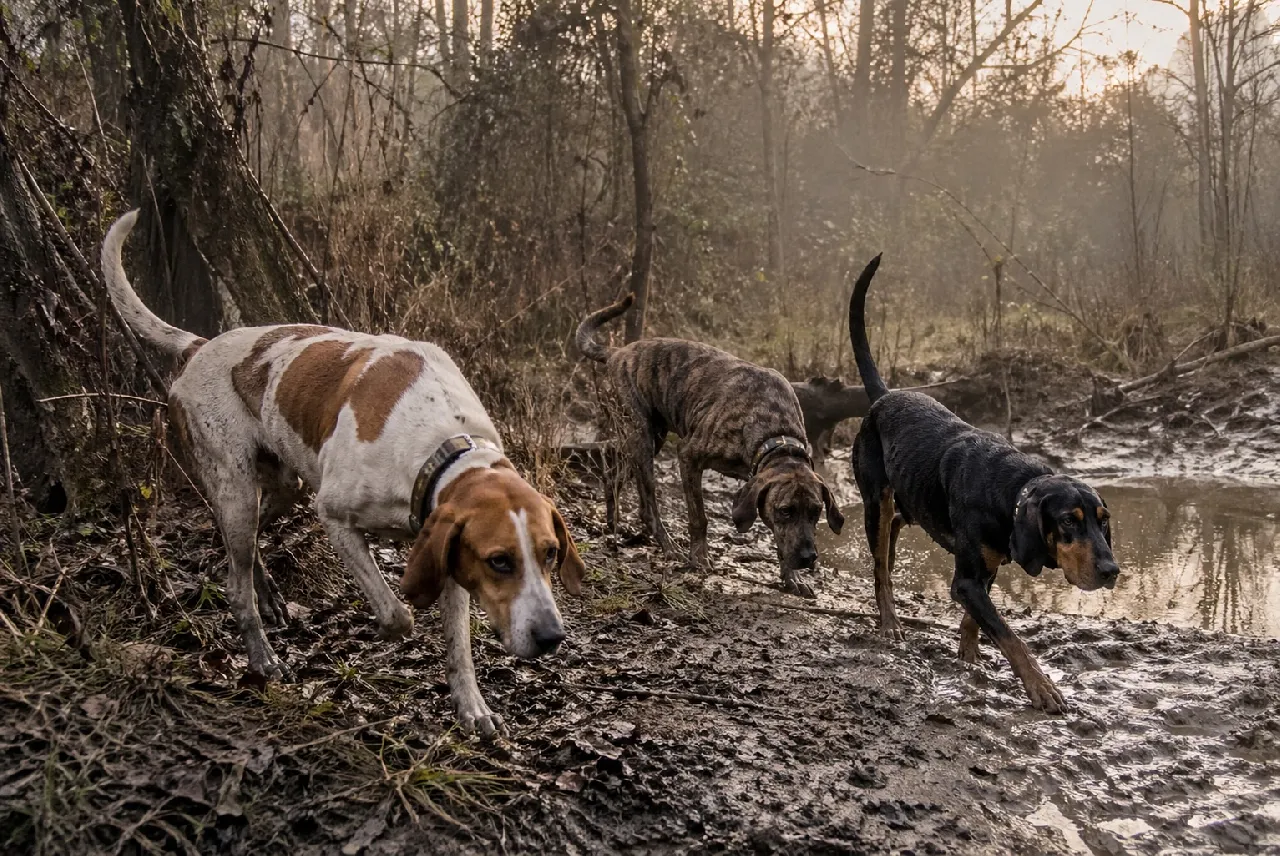
Before talking breeds, it helps to understand the job. Hog hunting usually asks a dog to strike scent, move a track through rough ground, push a hog out of nasty cover, and either bay it solid or help stop it until the hunter arrives. In many parts of the South, hunters use a combination of bay dogs and catch dogs. Hounds are often the engine that finds the hog and keeps pressure on it. That means the best hound breeds for hog hunting tend to share several traits: a strong nose, enough grit to stay in the game, the brains to avoid getting cut up, and the endurance to hunt hard in heat, humidity, and thorn country.
No breed does every piece of the job exactly the same way. Some excel at trailing. Some are better at ranging wide and locating sounders in big timber. Others shine when the country is tight and the hogs do not leave much scent. The right choice depends on where you hunt and how you hunt, but a few hound breeds have earned their reputation the hard way, one bay at a time.
If I had to start this conversation with one breed that shows up in hog country over and over, it would be the Treeing Walker Coonhound. Walkers are popular for a reason. They are fast, athletic, and carry enough nose to move a track without bogging down. In open woods, cutovers, creek bottoms, and mixed farmland, a good Walker can cover ground in a hurry and let you know exactly what is happening with a clear, ringing mouth.
For hog hunting, that speed matters. Hogs do not always sit tight. In pressured country, they travel, and a Walker that can strike and push the track keeps the hunt from turning into an all-day guessing game. They also tend to have a lot of heart without being reckless, which is a valuable balance around rank boars. A well-bred Walker can make a fine bay dog or an outstanding strike dog in a pack.
Why Walkers Stay Popular
What keeps the Treeing Walker high on the list of best hound breeds for hog hunting is versatility. They adapt well, handle rough terrain, and many lines have the drive hunters want. They do best with plenty of work and clear handling. Leave one sitting in a kennel too long and you are wasting a serious athlete.
The Plott Hound has long held a reputation as a hard dog for hard game, and hog hunters know exactly why. Plotts are gritty, determined, and naturally suited for rough work. They were developed for pursuing dangerous game, and you can still see that purpose in the breed. A good Plott does not mind pressure. In steep hills, laurel thickets, or dark river swamps where the scenting is tricky and the game is mean, Plotts earn respect.
They often bring a little more edge than some other hounds, which can be a strength when the hog turns and faces the pack. At the same time, that intensity needs a steady hand. The best Plotts for hog hunting are not wild dogs. They are focused dogs. There is a difference, and experienced hunters appreciate it.
If your hunting style leans toward baying tough boars in ugly places, the Plott belongs in the discussion every single time. They are not for someone who wants a casual weekend dog with no maintenance. They want work, and they tend to give everything they have once cut loose.
The Black and Tan Coonhound is one of the steadiest hounds you will find for trailing game in difficult conditions. While some hunters think of them first as deliberate track dogs, that trait can be exactly what you need on older scent or in country where hogs move mostly under cover. A Black and Tan that works methodically can save a hunt when hotter-nosed dogs overrun the line or lose interest.
These dogs generally have deep voices, strong scenting ability, and a kind of patient honesty that seasoned hunters trust. On hogs, that can translate into consistency. They may not always be the flashiest dogs in the pack, but they can be the ones that keep the race moving in the right direction.
Best Fit for Hunters Who Value Nose
If you hunt places where scenting conditions change fast, or where hogs leave the feeding areas long before daylight, the Black and Tan deserves a hard look. They are often a strong choice for dog owners who want a hound with nose and staying power rather than pure speed alone.
The Redbone Coonhound brings a balanced style that appeals to a lot of hog hunters. Redbones usually have good endurance, enough foot speed to stay competitive, and a willing temperament that makes them easier for many owners to handle. In warm climates and mixed cover, they can do a fine job striking, trailing, and baying hogs.
One reason the Redbone remains in the conversation about the best hound breeds for hog hunting is that many of them handle pressure without becoming too rough. That matters more than some new hunters realize. A dog that dives in blindly at every turn often gets cut, and cut dogs do not hunt long. The better Redbones learn how to pressure a hog while keeping just enough distance to stay useful.
For dog owners who want a hound that can hunt hard and still be manageable at home and around the kennel, the Redbone often offers a practical middle ground.
The American Foxhound is not always the first breed mentioned in casual hog hunting talk, but hunters who run big country know what they can bring to the table. Foxhounds are built to travel. They have leg, wind, and range, and in open terrain or larger tracts, they can locate hogs that shorter-ranging dogs never touch.
On moving hogs, especially in places with long draws, pine ridges, and sprawling bottoms, an American Foxhound can be a valuable part of the pack. They are often lighter-framed and more pursuit-oriented than some gritty bay specialists, but that does not make them ineffective. It makes them useful in the right role. A well-balanced hog pack is not made of copies. It is made of dogs that complement each other.
July Hound and Running Hound Types
Among serious hog hunters, especially in certain regions, July hounds and other running hound types have a loyal following. These dogs are known for speed, drive, and the ability to put game on its feet. In big, rough country where hogs cover distance and staying ahead of them matters, that style can be a real advantage.
These hounds are often best in the hands of hunters who understand pack dynamics and know how to match dogs by purpose. They can add fire and momentum to a hunt, but they need structure, conditioning, and smart breeding behind them. When those pieces come together, they can be outstanding hog dogs.
Choosing the Right Hound for Your Country
The best hound breed for hog hunting is not chosen in a vacuum. Flat palmetto country hunts differently than rocky Appalachian hollows. Texas brush country is not the same as flooded Southern timber. In one place, a hotter-nosed, fast-moving dog may shine. In another, a colder nose and more methodical trail style might be the difference between finding hogs and riding home empty.
You also need to think about your own experience. Some breeds and bloodlines are easier for newer dog owners to manage, while others demand a firmer hand and a better eye for training. Temperament, kennel behavior, heat tolerance, voice, range, and recovery all matter. The dog that looks impressive in someone else's country may not suit yours at all.
Breed Matters, But Bloodline Matters More
Old hog hunters have said it for years, and they are right: breed gives you tendencies, but bloodline gives you the dog. Within every breed, there are lines better suited for hogs than others. A strong hunting line with generations of proven dogs will usually tell you more than the breed name alone ever could. If you are shopping for a pup or started dog, ask what the parents actually do in the field. Ask how they handle pressure, whether they bay smart, and how they recover after a hard race.
Final Thoughts on the Best Hound Breeds for Hog Hunting
When the dust settles, the best hound breeds for hog hunting are the ones that combine nose, endurance, grit, and enough sense to stay alive. Treeing Walkers bring speed and versatility. Plotts bring toughness and determination. Black and Tans offer nose and steadiness. Redbones give balance and handle well for many owners. American Foxhounds and running hound types can be excellent in bigger country where range and drive matter most.
No article can replace time behind a tailgate at daylight or the sound of a pack opening up in a river bottom. That is where you really learn dogs. Still, if you are building a hog pack or trying to decide which hound fits your hunting style, start with proven breeds, then dig into proven bloodlines. In hog hunting, pretty papers mean little compared to a dog that can strike, push, and bay when the country gets rough. The right hound will show you what it is made of soon enough, and once you hunt behind a good one, you do not forget it.
What Makes a Good Hound for Hog Hunting?
Before talking breeds, it helps to understand the job. Hog hunting usually asks a dog to strike scent, move a track through rough ground, push a hog out of nasty cover, and either bay it solid or help stop it until the hunter arrives. In many parts of the South, hunters use a combination of bay dogs and catch dogs. Hounds are often the engine that finds the hog and keeps pressure on it. That means the best hound breeds for hog hunting tend to share several traits: a strong nose, enough grit to stay in the game, the brains to avoid getting cut up, and the endurance to hunt hard in heat, humidity, and thorn country.
No breed does every piece of the job exactly the same way. Some excel at trailing. Some are better at ranging wide and locating sounders in big timber. Others shine when the country is tight and the hogs do not leave much scent. The right choice depends on where you hunt and how you hunt, but a few hound breeds have earned their reputation the hard way, one bay at a time.
Treeing Walker Coonhound
If I had to start this conversation with one breed that shows up in hog country over and over, it would be the Treeing Walker Coonhound. Walkers are popular for a reason. They are fast, athletic, and carry enough nose to move a track without bogging down. In open woods, cutovers, creek bottoms, and mixed farmland, a good Walker can cover ground in a hurry and let you know exactly what is happening with a clear, ringing mouth.
For hog hunting, that speed matters. Hogs do not always sit tight. In pressured country, they travel, and a Walker that can strike and push the track keeps the hunt from turning into an all-day guessing game. They also tend to have a lot of heart without being reckless, which is a valuable balance around rank boars. A well-bred Walker can make a fine bay dog or an outstanding strike dog in a pack.
Why Walkers Stay Popular
What keeps the Treeing Walker high on the list of best hound breeds for hog hunting is versatility. They adapt well, handle rough terrain, and many lines have the drive hunters want. They do best with plenty of work and clear handling. Leave one sitting in a kennel too long and you are wasting a serious athlete.
Plott Hound
The Plott Hound has long held a reputation as a hard dog for hard game, and hog hunters know exactly why. Plotts are gritty, determined, and naturally suited for rough work. They were developed for pursuing dangerous game, and you can still see that purpose in the breed. A good Plott does not mind pressure. In steep hills, laurel thickets, or dark river swamps where the scenting is tricky and the game is mean, Plotts earn respect.
They often bring a little more edge than some other hounds, which can be a strength when the hog turns and faces the pack. At the same time, that intensity needs a steady hand. The best Plotts for hog hunting are not wild dogs. They are focused dogs. There is a difference, and experienced hunters appreciate it.
If your hunting style leans toward baying tough boars in ugly places, the Plott belongs in the discussion every single time. They are not for someone who wants a casual weekend dog with no maintenance. They want work, and they tend to give everything they have once cut loose.
Black and Tan Coonhound
The Black and Tan Coonhound is one of the steadiest hounds you will find for trailing game in difficult conditions. While some hunters think of them first as deliberate track dogs, that trait can be exactly what you need on older scent or in country where hogs move mostly under cover. A Black and Tan that works methodically can save a hunt when hotter-nosed dogs overrun the line or lose interest.
These dogs generally have deep voices, strong scenting ability, and a kind of patient honesty that seasoned hunters trust. On hogs, that can translate into consistency. They may not always be the flashiest dogs in the pack, but they can be the ones that keep the race moving in the right direction.
Best Fit for Hunters Who Value Nose
If you hunt places where scenting conditions change fast, or where hogs leave the feeding areas long before daylight, the Black and Tan deserves a hard look. They are often a strong choice for dog owners who want a hound with nose and staying power rather than pure speed alone.
Redbone Coonhound
The Redbone Coonhound brings a balanced style that appeals to a lot of hog hunters. Redbones usually have good endurance, enough foot speed to stay competitive, and a willing temperament that makes them easier for many owners to handle. In warm climates and mixed cover, they can do a fine job striking, trailing, and baying hogs.
One reason the Redbone remains in the conversation about the best hound breeds for hog hunting is that many of them handle pressure without becoming too rough. That matters more than some new hunters realize. A dog that dives in blindly at every turn often gets cut, and cut dogs do not hunt long. The better Redbones learn how to pressure a hog while keeping just enough distance to stay useful.
For dog owners who want a hound that can hunt hard and still be manageable at home and around the kennel, the Redbone often offers a practical middle ground.
American Foxhound
The American Foxhound is not always the first breed mentioned in casual hog hunting talk, but hunters who run big country know what they can bring to the table. Foxhounds are built to travel. They have leg, wind, and range, and in open terrain or larger tracts, they can locate hogs that shorter-ranging dogs never touch.
On moving hogs, especially in places with long draws, pine ridges, and sprawling bottoms, an American Foxhound can be a valuable part of the pack. They are often lighter-framed and more pursuit-oriented than some gritty bay specialists, but that does not make them ineffective. It makes them useful in the right role. A well-balanced hog pack is not made of copies. It is made of dogs that complement each other.
July Hound and Running Hound Types
Among serious hog hunters, especially in certain regions, July hounds and other running hound types have a loyal following. These dogs are known for speed, drive, and the ability to put game on its feet. In big, rough country where hogs cover distance and staying ahead of them matters, that style can be a real advantage.
These hounds are often best in the hands of hunters who understand pack dynamics and know how to match dogs by purpose. They can add fire and momentum to a hunt, but they need structure, conditioning, and smart breeding behind them. When those pieces come together, they can be outstanding hog dogs.
Choosing the Right Hound for Your Country
The best hound breed for hog hunting is not chosen in a vacuum. Flat palmetto country hunts differently than rocky Appalachian hollows. Texas brush country is not the same as flooded Southern timber. In one place, a hotter-nosed, fast-moving dog may shine. In another, a colder nose and more methodical trail style might be the difference between finding hogs and riding home empty.
You also need to think about your own experience. Some breeds and bloodlines are easier for newer dog owners to manage, while others demand a firmer hand and a better eye for training. Temperament, kennel behavior, heat tolerance, voice, range, and recovery all matter. The dog that looks impressive in someone else's country may not suit yours at all.
Breed Matters, But Bloodline Matters More
Old hog hunters have said it for years, and they are right: breed gives you tendencies, but bloodline gives you the dog. Within every breed, there are lines better suited for hogs than others. A strong hunting line with generations of proven dogs will usually tell you more than the breed name alone ever could. If you are shopping for a pup or started dog, ask what the parents actually do in the field. Ask how they handle pressure, whether they bay smart, and how they recover after a hard race.
Final Thoughts on the Best Hound Breeds for Hog Hunting
When the dust settles, the best hound breeds for hog hunting are the ones that combine nose, endurance, grit, and enough sense to stay alive. Treeing Walkers bring speed and versatility. Plotts bring toughness and determination. Black and Tans offer nose and steadiness. Redbones give balance and handle well for many owners. American Foxhounds and running hound types can be excellent in bigger country where range and drive matter most.
No article can replace time behind a tailgate at daylight or the sound of a pack opening up in a river bottom. That is where you really learn dogs. Still, if you are building a hog pack or trying to decide which hound fits your hunting style, start with proven breeds, then dig into proven bloodlines. In hog hunting, pretty papers mean little compared to a dog that can strike, push, and bay when the country gets rough. The right hound will show you what it is made of soon enough, and once you hunt behind a good one, you do not forget it.




View all 0 comments