Pack Strategy in Lion Hunts
Building a Hound Team That Works the Country Right
 0
0 0
0 0
0 0
0 0
0
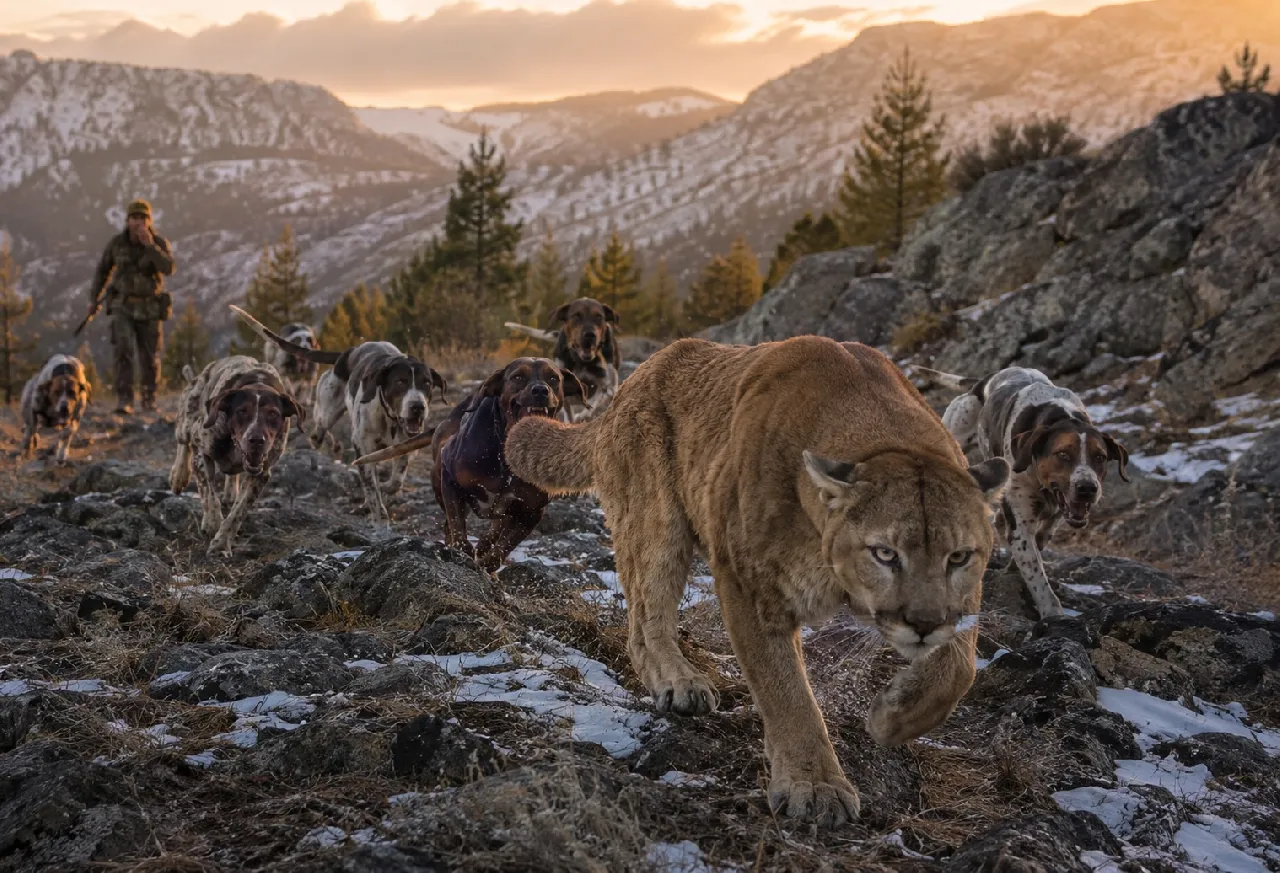
I have seen a small, balanced pack move a lion track with steady confidence while a larger, louder bunch tore a country road up and got nothing done. The difference was not excitement or noise. It was purpose. Good lion hunters think about their pack the same way a stockman thinks about a good team of horses. Every dog needs a job, and every dog has to fit the country, the cat, and the style of hunting being done that day.
Why Pack Composition Matters on Lion Hunts
Lion hunting with hounds demands balance. A pack that is all speed can overrun a weak track and blow out of the country before the handler ever gets a chance to read what happened. A pack that is all cold-nosed track dogs may work beautifully at daylight on an old tom track but lack the punch to pressure the cat once it is jumped. The best lion packs usually carry a mix of traits that let them start, move, and finish a race.
When I talk about composition, I am looking at several things at once. Nose matters, especially in dry country, frozen snow, windblown ridges, or on tracks laid down in the dark hours before daylight. Brains may matter even more. A smart dog checks itself, works methodically, and does not borrow trouble from every crossing deer track or drifting scent cone. Speed has value, but only if it is married to enough sense to keep the race honest. Grit matters too, though lion grit is not mindless aggression. The right kind of lion dog has pressure without foolishness and enough staying power to keep after a hard-traveling cat in rough mountains.
That is why seasoned hunters rarely build a pack around one single trait. They build around complementary traits. One dog may be the cold trailer that opens honestly and starts the puzzle. Another may be the line-driving hound that moves the race once the scent gets better. A third may be the type that shines when the lion gets jumped and starts climbing ledges, circling rimrock, or making long moves through broken canyons.
The Value of Dog Roles Within the Pack
Not every dog in a lion pack needs to look or work exactly alike. In fact, I would argue a truly useful pack almost never does. Good handlers learn which dog settles the track, which dog pushes the middle, and which dog brings enough fire to keep pressure on a cat that would rather travel than tree. Understanding these roles is one of the biggest parts of pack strategy in lion hunts.
Some hounds are natural starters. They are careful with their nose, patient on losses, and honest enough that when they speak, you had better pay attention. These dogs are gold on cold winter mornings when the track is old, the sun has not hit the snow yet, and every step of the race has to be earned. Other dogs are not as gifted at starting but become powerful once the lion is on its feet. They can drift scent, gain ground, and keep the race from bogging down when the cat heads into rough country.
A balanced pack also benefits from dogs that handle well. That may not sound glamorous, but a hard-hunting hound that will not come, load, tone back, or stay out of trouble can wreck a lion hunt as quickly as a poor nose. In lion country, where roads can be scarce and the country can fold into itself for miles, control is part of strategy.
Starting the Right Number of Dogs
One of the most common mistakes newer hunters make is dumping the whole box at the first sign of a lion track. That approach can work now and then, but it can also create confusion, trash races, and unnecessary pressure on a weak line. Often, a better move is to start with a few dependable dogs and let them tell you what kind of track you have.
If the track is cold or questionable, I prefer honest track dogs first. Let them sort out the direction, prove the line, and begin moving it with confidence. Once the race improves or the lion is clearly on its feet, then adding more dogs can make sense. This staggered approach keeps the track from getting stomped up and gives the handler a better chance to read the race.
There is also a practical side to holding dogs back. In steep country or on long races, fresh hounds can change the whole day. A lion that has traveled for hours, crossed rock, circled through draws, and tried every trick it knows may finally feel real pressure when a clean, rested dog joins the chase. Pack strategy in lion hunts is not just about the start. It is about managing energy all the way to the finish.
Matching the Pack to Conditions
Snow country and dry ground ask different things from a lion pack. In snow, a hunter can read the track, judge age, and make more informed decisions about what dogs to cast and when. Dry-ground lion hunting is often less forgiving. The dogs have to tell the story, and the handler needs enough confidence in them to believe what they are saying. That means a dry-ground pack often needs exceptional brains, honesty, and independence without becoming too scattered.
Weather changes the game as well. Wind tears scent apart. Sun can burn a track off exposed slopes. Crusted snow can cut feet and make a race physically expensive. Deep powder can slow both dogs and lion, sometimes favoring a steady, efficient pack over a flashy one. The best handlers do not hunt the same way every day. They shape the pack strategy to the country in front of them.
Pressure, Pace, and Knowing When to Interfere
A good lion race has a rhythm to it, and the handler who learns to hear that rhythm gains a big advantage. Too little pressure and a lion may keep traveling for miles, using every bluff, canyon, and rim to wear the pack down. Too much reckless pressure too early can blow a marginal race apart, especially on a cat that has not been properly lined out. The trick is finding that middle ground where the pack keeps the lion uncomfortable without outrunning the scent conditions.
I remember one old tom that had crossed a series of windy benches above a cedar draw. The first dogs on him had to pick every yard apart, and for close to an hour the race felt like it was standing still. A young hunter might have thought the dogs were failing. They were not. They were building the race piece by piece. Once that lion dropped off the exposed bench and into broken shade, the scent improved, the pack tightened up, and the whole thing changed tone. Within another hour, he was treed in a rough little side canyon. If I had poured too many dogs in too early, they likely would have blown through those losses and turned a real lion track into a mess.
Interfering too much is a handler problem as often as a dog problem. Good hounds need room to work. But there are times to step in. If dogs start feeding off one another instead of the track, if a trash race is brewing, or if the country ahead poses real danger, smart intervention saves hunts and dogs alike. That judgment comes with miles, mistakes, and paying attention.
Training Young Dogs Within a Lion Pack
Young hounds do not become lion dogs by accident. They learn by exposure, by correction, and by being put with the right older dogs at the right time. One of the best pack strategies a hunter can use is protecting a promising young dog from too much chaos. A pup that gets thrown into every race with every rough, noisy dog in the kennel may never learn to think for itself.
I like young dogs to see real tracks with dependable company. Let them hear honest mouths. Let them figure out where scent is found, how losses are worked, and how pressure builds in a race. Not every youngster needs to be at the front every day. Some need time to mature, both mentally and physically. Lion country is unforgiving, and a dog pushed too hard too early can lose confidence or develop bad habits that are hard to fix later.
The old saying about hounds making one another is true, but so is the fact that they can ruin one another. Pack strategy in lion hunts includes thinking ahead about the kind of dog each youngster might become and giving it the environment to get there.
What Makes a Lion Pack Reliable Year After Year
Reliability comes from consistency, and consistency comes from culling weakness, reinforcing good habits, and hunting dogs enough to know what you truly have. Every hunter likes a thrilling race, but the men who tree lions regularly are usually not the ones chasing drama. They are the ones who know their dogs, trust their mouths, and make measured decisions before the tailgate ever drops.
A reliable lion pack handles pressure without falling apart. It can work old scent, move a race when conditions improve, and stay connected when the cat starts using rough terrain to create problems. It does not have to be the flashiest pack in the county. It needs to be honest, tough, and sensible.
For dog owners interested in hound dogs, this is the heart of the matter. Pack strategy is not just about catching more lions. It is about developing hounds with purpose and hunting them in a way that respects their strengths. When a pack comes together correctly, the sound of that race rolling through cold mountain air is something you never forget. It is not chaos. It is teamwork, built over time, tested in hard country, and proven one track at a time.
Related Aritlces & Links

Controversy, Conservation, and the Truth About Lion Hunting with Dogs
Few subjects in modern wildlife management stir up more debate than hunting mountain lions with hounds. To people who have never walked behind a pack of dogs in lion country, the practice can seem mysterious or even troubling. Images of bar.. more ..
Posted on Sunday 8th March 2026 12:00:00 AM
By Jeff Davis
Pack Strategy in Lion Hunts
Anyone who has hunted lions behind hounds for long learns one hard truth early: more dogs do not automatically make a better pack. A mountain lion is not a coon in river timber or a fox on easy ground. Lions live in country that tests a dog.. more ..
Posted on Thursday 7th May 2026 12:00:00 AM
By Jeff Davis
Best Breeds for Mountain Lion Hunting
Mountain lion hunting asks more of a dog than most game pursuits ever will. A lion is no easy quarry. He may leave a faint track in dry dust, cross frozen ledges before daylight, drift through rimrock, and then sit tight in rough country wh.. more ..
Posted on Wednesday 22nd April 2026 12:00:00 AM
By Jeff Davis




View all 0 comments