Cur Dogs vs Hounds for Hog Hunting
Which Hunting Dog Fits Your Style?
 0
0 0
0 0
0 0
0 0
0
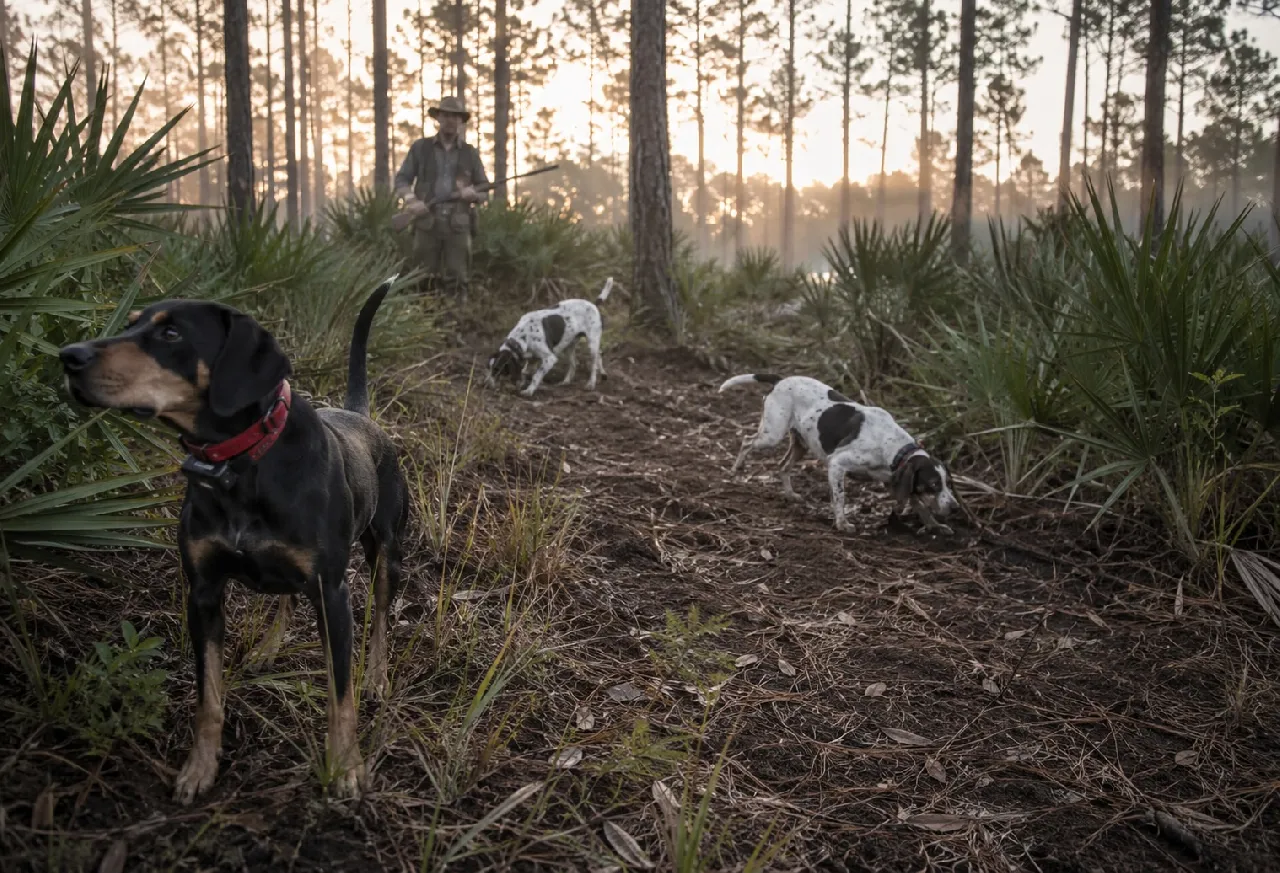
What matters is how the dog hunts, how the country lays, and what kind of race you want to hear and see. Some hunters want a dog that hunts close, uses its head, and catches the wind when a boar slips through cover. Others want a cold-nosed trail dog that can move an old track and open all the way to a bay. That is where the real difference between curs and hounds begins.
Understanding the Cur Dog Style on Hogs
Cur dogs are prized because they are practical, gritty, and usually more handleable than many hounds. A good cur tends to hunt with its owner instead of simply disappearing over the horizon. In hog country where game is thick and cover is rough, that trait matters. A cur often uses its eyes, nose, and common sense together. It may strike a hog track, drift scent off the wind, and get lined out without wasting much time.
That style makes curs especially appealing for hunters who want a dog that can range out but still stay connected. In smaller parcels, leased land, or places cut up by roads and posted property lines, a cur dog can be a blessing. Many of them check back naturally, hunt with purpose, and get to work fast. They are often favored by catch-dog-oriented hog hunters and by hunters who like a dog that can bay solid without running a race halfway across the county.
I have seen good Black Mouth Curs and Catahoula-type dogs strike hogs in palmettos where visibility was nearly nothing. They worked quiet at first, then suddenly the woods changed tone. You could hear the bay tighten up, not a lot of wasted mouth, just pressure and presence. That kind of dog can make a hunter look smarter than he is.
Where Cur Dogs Shine
Cur dogs often shine in tight hunting situations where responsiveness matters as much as nose. They are commonly quicker to handle, easier to tone off trash for experienced trainers, and better suited to hunters who want control. Their shorter range can be a weakness in some country, but in many modern hog hunting situations, it is exactly what a man needs.
They also tend to be versatile. Plenty of cur dog owners use the same dog on hogs, cattle, or even squirrel work depending on bloodline and training. That versatility appeals to dog owners who want a hunting companion, not just a specialist built for one job. For many families and farm hunters, that matters more than bragging rights around the tailgate.
What Hounds Bring to Hog Hunting
Hounds are a different kind of music entirely. If a cur hunts with a practical mindset, a hound hunts with faith in its nose. A true hog hound can work old scent, unravel crossing tracks, and push a race through country where lesser dogs get confused and quit. When people talk about traditional hog hunting, especially in big woods and rough southern country, hounds are woven into that story.
A good hound is built to trail. That long ear, deep chest, and relentless motor are not just for show. Hounds can take a cold track from the edge of a creek, sort through where hogs fed in the night, and move the line until the race becomes honest. Once that happens, every hunter in earshot knows it. There is a deep satisfaction in hearing hounds open, spread out, and then pack up as the hog starts traveling.
That is where hounds earn their keep. In big country, where hogs may be miles from where you cut them, a hound often has the nose and endurance to make something happen. If conditions are dry, the wind is wrong, or the sign is stale, a hound may still trail what a cur cannot confidently move. Hunters who value a classic race and have room to let dogs work often remain loyal to hounds for that reason alone.
The Strength of a Good Hog Hound
The best hounds bring consistency on difficult scent. They are often more patient on a line, less likely to guess, and more determined when the track gets thin. In places with sparse hog populations or on pressured ground where hogs move mostly at night, that can make the difference between loading dogs at noon empty-handed or hearing a bay roll up deep in the bottoms.
Of course, that same range and independence can test a hunter's patience. Some hounds are not interested in checking back. They are bred to go until they find game, and if you are hunting near roads or neighboring properties, that can become a real concern. A hound is a joy when you have room. In the wrong setting, it can become a logistical headache.
Cur Dogs vs Hounds for Hog Hunting in Real-World Conditions
The cleanest way to compare cur dogs vs hounds for hog hunting is to stop thinking in absolutes and start thinking in hunting situations. In thick cover with fresh hog sign, shorter hunts, and a need for control, curs often have the edge. They can find hogs quickly, bay with intensity, and remain easier to gather up and recast. If you are hunting smaller blocks of land, that efficiency matters.
In sprawling timber, swamp edges, and country where tracks may be old before daylight hits, hounds often pull ahead. Their trailing ability lets them start where a cur may hesitate. If your style of hunting includes listening to a race, driving around to get ahead of dogs, and trusting them to work problems out on their own, hounds fit naturally into that rhythm.
Temperament also matters. Many curs are naturally biddable and adapt well to hunters who value communication. Hounds can be affectionate and loyal too, but in the field they often act like independent contractors. That is not a flaw. It is part of what makes them effective. Still, for a first-time hog dog owner, a cur may be easier to live with and easier to start right.
Which Is Better for a Beginner?
For most beginners, I lean toward a well-bred cur or a cur-cross from proven hog stock. Not because hounds lack value, but because a beginner usually benefits from a dog that is easier to handle, easier to read, and less likely to be two ridges away while the owner is still figuring out his tracking collar. A cur can teach timing, dog reading, and bay etiquette without forcing a man to manage the full chaos of a wide-open hound race on day one.
That said, if a beginner has access to experienced houndsmen, plenty of room, and a real interest in trailing dogs, then starting with hounds can be deeply rewarding. Some hunters are wired for that style from the start. They do not just want to find hogs. They want to hear the story unfold in the dogs' voices.
The Best Answer May Be a Mixed Pack
Here is something older hog hunters learn sooner or later. The best dog box often holds both. A balanced pack of curs and hounds can cover a lot of weaknesses. Hounds can strike and move a difficult track, while curs can tighten the bay, apply pressure, and work in closer with more control. In many camps, that combination has put more hogs on the ground than either type working alone.
I have seen mornings when a hound opened cold along a sandy road, drifted into a creek bottom, and worked that line for what felt like forever. Then the curs hit the scent cone near the bedding area, punched in hard, and the whole woods erupted. That was not theory. That was dogs doing what they were bred to do, each in its own way.
Final Thoughts on Choosing Between Cur Dogs and Hounds
When deciding between cur dogs vs hounds for hog hunting, the right choice depends less on internet opinions and more on your land, your hunting style, and your patience. If you want a closer-working, responsive dog that bays hard and handles well, a cur may suit you best. If you want nose, endurance, and the tradition of a true trailing race, hounds are hard to beat.
For many hog hunters, the answer is not either-or. It is learning what each type offers and building a pack that matches the country under your boots. A dog that fits your ground and your style will always look better than a famous breed in the wrong hands. In the end, hog hunting is still about trust between hunter and dog. Whether that trust comes with a cur's practical grit or a hound's relentless mouth is up to you.
Related Aritlces & Links
Hog hunting with dogs
A hog hunt with dogs is fast, physical, and deeply rooted in Southern hunting tradition. Unlike stand hunting or spot-and-stalk, this method relies on trained dogs to locate, pursue, and hold wild hogs until the hunter arrives. It’s equal.. more ..
Posted on Monday 9th February 2026 12:00:00 AM
By Jeff Davis

Five best states for feral hog hunting
Feral hog hunting has exploded in popularity over the last decade, and for good reason. Wild hogs are abundant, destructive to crops and habitat, and offer hunters year-round opportunity in many areas. Unlike most big-game species, hogs rep.. more ..
Posted on Friday 20th February 2026 12:00:00 AM
By Jeff Davis
Best Hound Breeds for Hog Hunting
When a big boar slips into a river bottom at first light, you learn real quick what kind of dog you turned loose. Hog hunting is not a soft game. It takes nerve, endurance, a cold-working nose in some country and a hot, driving style in oth.. more ..
Posted on Wednesday 29th April 2026 12:00:00 AM
By Jeff Davis




View all 0 comments