
Do People Still Fox Hunt on Horseback?
Inside the Tradition That Refuses to Disappear
Jeff Davis | https://hounddogcentral.com
 0
0 0
0 0
0 0
0 0
0
For people who have never seen it in person, horseback fox hunting often sounds more like folklore than reality.
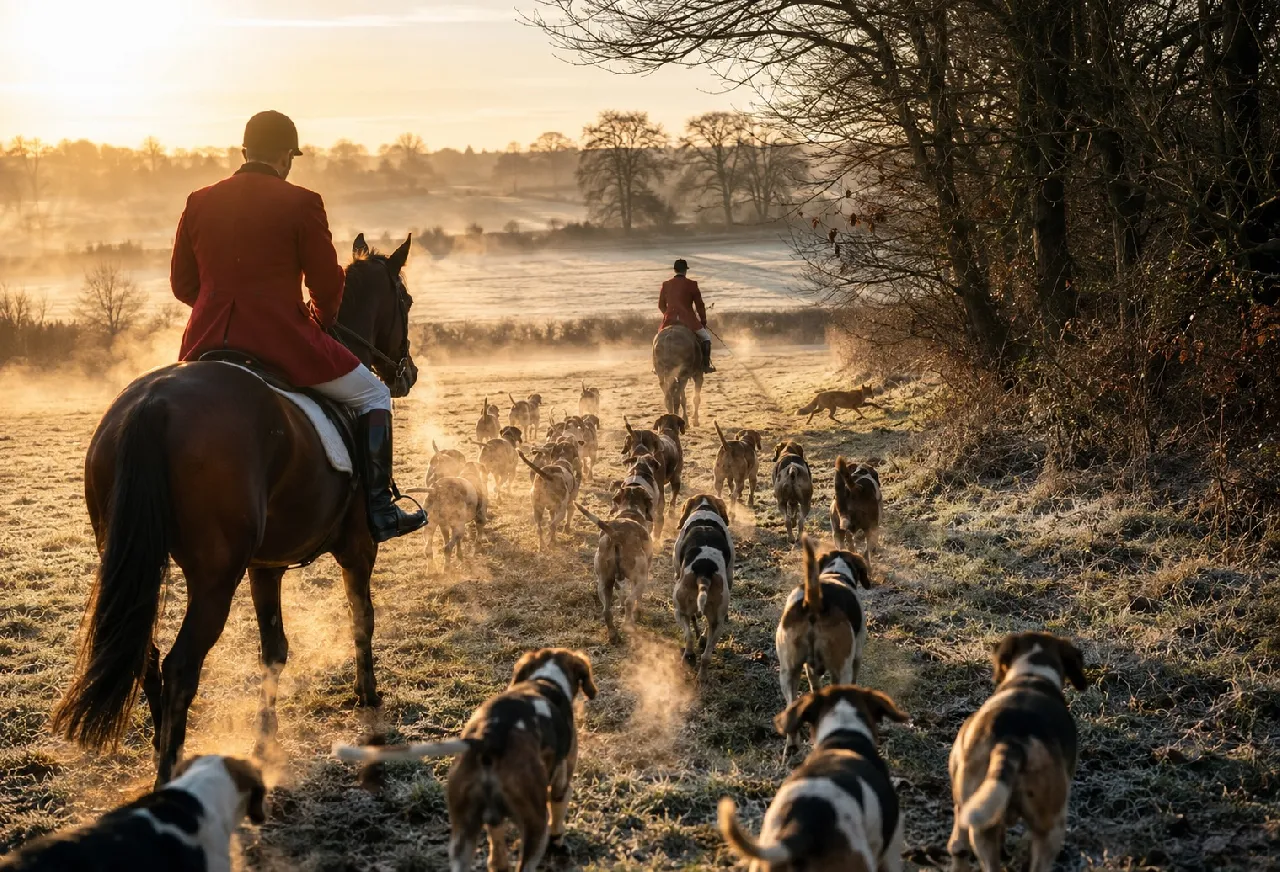
The image is instantly recognizable: riders in scarlet coats gathered beside restless horses while a pack of hounds mills around in the cold morning fog. Somewhere in the distance, a hunting horn echoes across open fields. Then the hounds strike scent, the pack erupts into voice, and horses surge forward across rolling countryside in pursuit of the race.
It feels like something from another era.
And in many ways, it is.
But horseback fox hunting never completely disappeared.
Even today, mounted fox hunts still take place across parts of the United States, England, Ireland, and other regions where hound traditions remain deeply rooted. Some hunts preserve centuries-old customs almost exactly as they existed generations ago. Others have evolved into modern sport riding events focused more on horsemanship, hounds, and countryside tradition than the actual pursuit of a fox.
To outsiders, that may come as a surprise.
Many people assume horseback fox hunting vanished long ago alongside old agricultural traditions and rural estates. The reality is far more complicated. While the sport is certainly less common than it once was, dedicated hunt clubs and mounted hunting communities still exist throughout the country.
And for the people involved, the appeal goes far beyond simply chasing a fox.
A mounted fox hunt begins long before daylight.
Horse trailers line gravel drives while riders tighten girths under barn lights and steam rises from horses standing in the cold. Hounds bark impatiently from kennels nearby. There is excitement in the air, but also calm routine. Many of these riders have done this for decades. The rituals matter.
Some hunts gather formally, complete with traditional riding attire, hunt buttons, polished tack, and ceremonial customs passed down through generations. Masters of the hunt organize the field while huntsmen prepare the hounds. Horn calls may signal movements throughout the morning.
Then the hunt moves out.
At first the pace is surprisingly quiet.
Mounted riders may travel slowly across farmland, wooded trails, or pasture edges while hounds search for scent. Conversations drift casually through the group. Horses walk calmly beneath bare winter trees while frost still clings to the grass.
Then everything changes.
One hound opens.
A deep bawling cry rolls across the countryside, instantly silencing the riders.
Another hound answers.
Then another.
Within seconds the entire pack explodes into voice.
The peaceful morning disappears beneath the thunder of barking hounds, pounding hooves, shouted warnings, and riders urging horses forward as the chase suddenly comes alive. The transition from stillness to chaos is part of what makes mounted fox hunting so unforgettable to those who experience it.
The sound may be the most powerful part of all.
Foxhounds in full cry create a kind of rolling music that carries across fields and timber for miles. Riders often describe it as haunting, beautiful, or impossible to forget. Experienced hunters can recognize individual dogs by voice alone. Some hounds carry long mournful bawls while others chop rapidly with sharp excitement as the race intensifies.
Meanwhile the horses must navigate whatever terrain lies ahead.
Open pasture. Muddy creek crossings. Hardwood timber. Fence lines. Steep hillsides. Frozen ground.
A true mounted hunt is physically demanding for both horse and rider. The pace can shift instantly from relaxed walking to hard galloping depending on the movement of the hounds and the fox ahead of them. Riders must constantly balance control, awareness, and speed while staying safe in rough country.
And despite Hollywood portrayals, many mounted fox hunts are not reckless stampedes across open land.
Much of the day may actually involve listening.
The hounds disappear into distant timber while riders stop quietly on ridges or field edges, heads tilted slightly while trying to hear the race drifting through valleys below. The hunt becomes less about seeing and more about interpreting sound, movement, and terrain. Hunters learn to anticipate where the fox may circle next and where the pack is likely heading before they ever reappear.
Modern horseback fox hunting has also changed significantly over time.
In many areas today, hunts focus on “drag hunting” or “trail hunting,” where hounds follow an artificial scent trail laid beforehand rather than pursuing a live fox. This allows riders and hounds to preserve much of the tradition, horsemanship, and excitement while avoiding some of the controversies surrounding traditional fox hunting.
Other clubs still pursue live foxes but often emphasize conservation, land stewardship, and the natural athletic challenge between hounds and foxes rather than harvesting game. In many hunts, the fox escapes entirely after leading the pack on a long twisting run through the countryside.
That surprises many people unfamiliar with the sport.
Foxes are extraordinarily intelligent and often know the country better than the hounds pursuing them. They use creeks, hills, fences, brush lines, and thick cover to confuse scent and gain distance. Experienced foxes can lead packs on races lasting hours before disappearing completely.
For many mounted hunters, the outcome matters less than the experience itself.
The tradition. The horses. The hounds. The cold morning air. The friendships built over years of shared rides. The sound of a pack opening on fresh scent at sunrise.
Those things keep people coming back.
Horseback fox hunting today exists in a strange place between history and modern life. To some people, it represents an important rural tradition worth preserving. To others, it feels outdated or controversial. But regardless of opinion, mounted fox hunting remains one of the most visually recognizable and culturally enduring hound sports in the world.
And in certain corners of the countryside, when dawn breaks over frosted fields and the hounds begin to sing, it still feels very much alive.
The image is instantly recognizable: riders in scarlet coats gathered beside restless horses while a pack of hounds mills around in the cold morning fog. Somewhere in the distance, a hunting horn echoes across open fields. Then the hounds strike scent, the pack erupts into voice, and horses surge forward across rolling countryside in pursuit of the race.
It feels like something from another era.
And in many ways, it is.
But horseback fox hunting never completely disappeared.
Even today, mounted fox hunts still take place across parts of the United States, England, Ireland, and other regions where hound traditions remain deeply rooted. Some hunts preserve centuries-old customs almost exactly as they existed generations ago. Others have evolved into modern sport riding events focused more on horsemanship, hounds, and countryside tradition than the actual pursuit of a fox.
To outsiders, that may come as a surprise.
Many people assume horseback fox hunting vanished long ago alongside old agricultural traditions and rural estates. The reality is far more complicated. While the sport is certainly less common than it once was, dedicated hunt clubs and mounted hunting communities still exist throughout the country.
And for the people involved, the appeal goes far beyond simply chasing a fox.
A mounted fox hunt begins long before daylight.
Horse trailers line gravel drives while riders tighten girths under barn lights and steam rises from horses standing in the cold. Hounds bark impatiently from kennels nearby. There is excitement in the air, but also calm routine. Many of these riders have done this for decades. The rituals matter.
Some hunts gather formally, complete with traditional riding attire, hunt buttons, polished tack, and ceremonial customs passed down through generations. Masters of the hunt organize the field while huntsmen prepare the hounds. Horn calls may signal movements throughout the morning.
Then the hunt moves out.
At first the pace is surprisingly quiet.
Mounted riders may travel slowly across farmland, wooded trails, or pasture edges while hounds search for scent. Conversations drift casually through the group. Horses walk calmly beneath bare winter trees while frost still clings to the grass.
Then everything changes.
One hound opens.
A deep bawling cry rolls across the countryside, instantly silencing the riders.
Another hound answers.
Then another.
Within seconds the entire pack explodes into voice.
The peaceful morning disappears beneath the thunder of barking hounds, pounding hooves, shouted warnings, and riders urging horses forward as the chase suddenly comes alive. The transition from stillness to chaos is part of what makes mounted fox hunting so unforgettable to those who experience it.
The sound may be the most powerful part of all.
Foxhounds in full cry create a kind of rolling music that carries across fields and timber for miles. Riders often describe it as haunting, beautiful, or impossible to forget. Experienced hunters can recognize individual dogs by voice alone. Some hounds carry long mournful bawls while others chop rapidly with sharp excitement as the race intensifies.
Meanwhile the horses must navigate whatever terrain lies ahead.
Open pasture. Muddy creek crossings. Hardwood timber. Fence lines. Steep hillsides. Frozen ground.
A true mounted hunt is physically demanding for both horse and rider. The pace can shift instantly from relaxed walking to hard galloping depending on the movement of the hounds and the fox ahead of them. Riders must constantly balance control, awareness, and speed while staying safe in rough country.
And despite Hollywood portrayals, many mounted fox hunts are not reckless stampedes across open land.
Much of the day may actually involve listening.
The hounds disappear into distant timber while riders stop quietly on ridges or field edges, heads tilted slightly while trying to hear the race drifting through valleys below. The hunt becomes less about seeing and more about interpreting sound, movement, and terrain. Hunters learn to anticipate where the fox may circle next and where the pack is likely heading before they ever reappear.
Modern horseback fox hunting has also changed significantly over time.
In many areas today, hunts focus on “drag hunting” or “trail hunting,” where hounds follow an artificial scent trail laid beforehand rather than pursuing a live fox. This allows riders and hounds to preserve much of the tradition, horsemanship, and excitement while avoiding some of the controversies surrounding traditional fox hunting.
Other clubs still pursue live foxes but often emphasize conservation, land stewardship, and the natural athletic challenge between hounds and foxes rather than harvesting game. In many hunts, the fox escapes entirely after leading the pack on a long twisting run through the countryside.
That surprises many people unfamiliar with the sport.
Foxes are extraordinarily intelligent and often know the country better than the hounds pursuing them. They use creeks, hills, fences, brush lines, and thick cover to confuse scent and gain distance. Experienced foxes can lead packs on races lasting hours before disappearing completely.
For many mounted hunters, the outcome matters less than the experience itself.
The tradition. The horses. The hounds. The cold morning air. The friendships built over years of shared rides. The sound of a pack opening on fresh scent at sunrise.
Those things keep people coming back.
Horseback fox hunting today exists in a strange place between history and modern life. To some people, it represents an important rural tradition worth preserving. To others, it feels outdated or controversial. But regardless of opinion, mounted fox hunting remains one of the most visually recognizable and culturally enduring hound sports in the world.
And in certain corners of the countryside, when dawn breaks over frosted fields and the hounds begin to sing, it still feels very much alive.
Related Aritlces & Links
What a Traditional Fox Hunt With Hounds Really Looks and Sounds Like
There is a certain stillness in the dark before a fox hunt begins.
.. more ..
Posted on Thursday 7th May 2026 12:00:00 AM
By Jeff Davis




View all 0 comments